MINNEAPOLIS (AP) — Federal prosecutors in Minneapolis have moved to drop felony assault charges against two Venezuelan men, including one who was shot in the leg by an immigration officer, after new evidence emerged undermining the government’s version of events.
In a filing on Thursday, the U.S. Attorney’s Office for the District of Minnesota cited newly discovered evidence in the case against Alfredo Alejandro Aljorna and Julio Cesar Sosa-Celis, stating it is materially inconsistent with the allegations put forth in a criminal complaint and a court hearing last month.
Prosecutors requested the judge for a dismissal with prejudice, indicating the charges against the two men cannot be resubmitted. This follows a string of high-profile shootings involving federal immigration agents where eyewitness statements and video evidence have challenged the justifications for using deadly force.
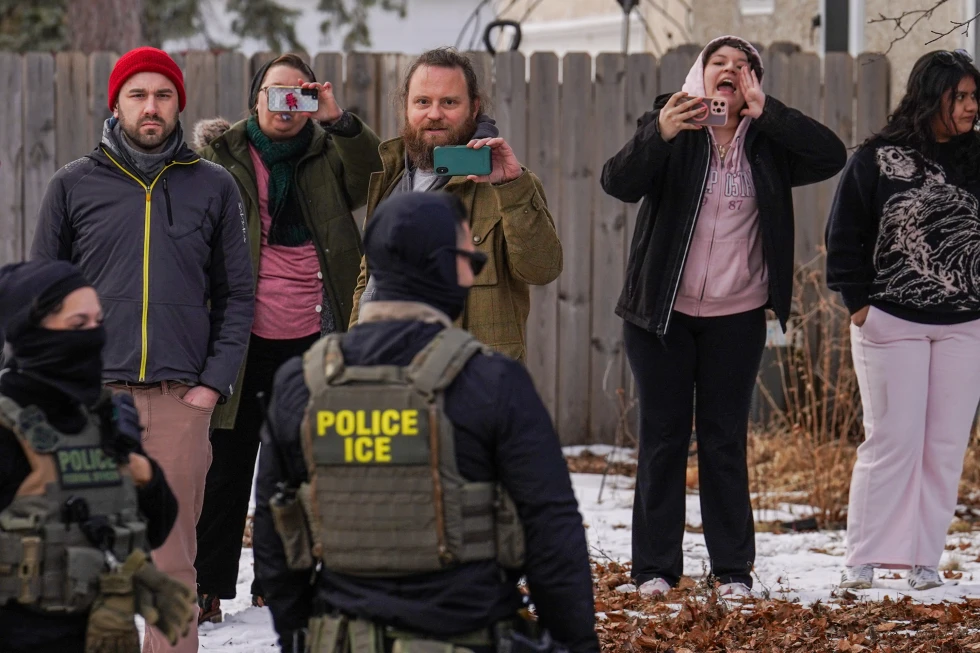
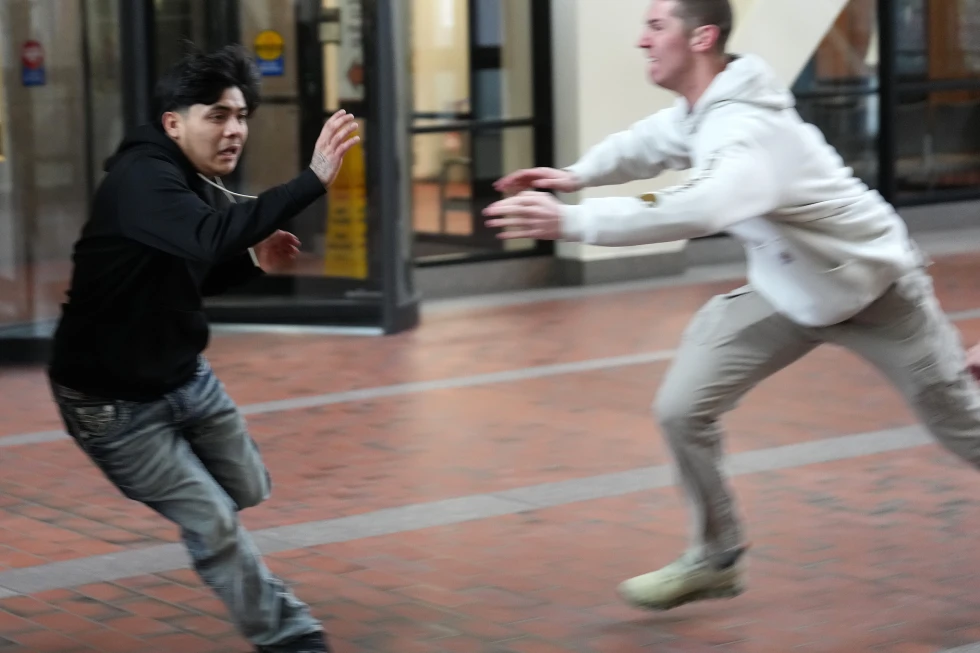
The case at issue stems from a January 14 incident in which an FBI investigator testified that U.S. Immigration and Customs Enforcement officers attempted to stop a vehicle driven by Aljorna, who crashed and fled on foot toward an apartment complex. The government claimed Aljorna began to violently resist as an officer pursued him.
During the struggle, Sosa-Celis and another person allegedly attacked the officer with a snow shovel and broom handle. In response, the officer, who has not been named in court documents, fired his weapon, injuring Sosa-Celis in the upper thigh.
However, during a recent court hearing, discrepancies began to arise in the government’s case, as video evidence and testimonies contradicted the officer's account. Both men deny assaulting the officer, insisting the prosecution relied solely on the officer's testimony. Neither individual has a violent criminal history and both were attempting to work as DoorDash delivery drivers to avoid federal encounters. After barricading themselves in their home following the incident, they eventually turned themselves in out of concern for two toddlers present in the residence.
This case raises significant questions about the use of deadly force by federal agents and the treatment of immigrants in law enforcement encounters.
In a filing on Thursday, the U.S. Attorney’s Office for the District of Minnesota cited newly discovered evidence in the case against Alfredo Alejandro Aljorna and Julio Cesar Sosa-Celis, stating it is materially inconsistent with the allegations put forth in a criminal complaint and a court hearing last month.
Prosecutors requested the judge for a dismissal with prejudice, indicating the charges against the two men cannot be resubmitted. This follows a string of high-profile shootings involving federal immigration agents where eyewitness statements and video evidence have challenged the justifications for using deadly force.
The case at issue stems from a January 14 incident in which an FBI investigator testified that U.S. Immigration and Customs Enforcement officers attempted to stop a vehicle driven by Aljorna, who crashed and fled on foot toward an apartment complex. The government claimed Aljorna began to violently resist as an officer pursued him.
During the struggle, Sosa-Celis and another person allegedly attacked the officer with a snow shovel and broom handle. In response, the officer, who has not been named in court documents, fired his weapon, injuring Sosa-Celis in the upper thigh.
However, during a recent court hearing, discrepancies began to arise in the government’s case, as video evidence and testimonies contradicted the officer's account. Both men deny assaulting the officer, insisting the prosecution relied solely on the officer's testimony. Neither individual has a violent criminal history and both were attempting to work as DoorDash delivery drivers to avoid federal encounters. After barricading themselves in their home following the incident, they eventually turned themselves in out of concern for two toddlers present in the residence.
This case raises significant questions about the use of deadly force by federal agents and the treatment of immigrants in law enforcement encounters.