In brief
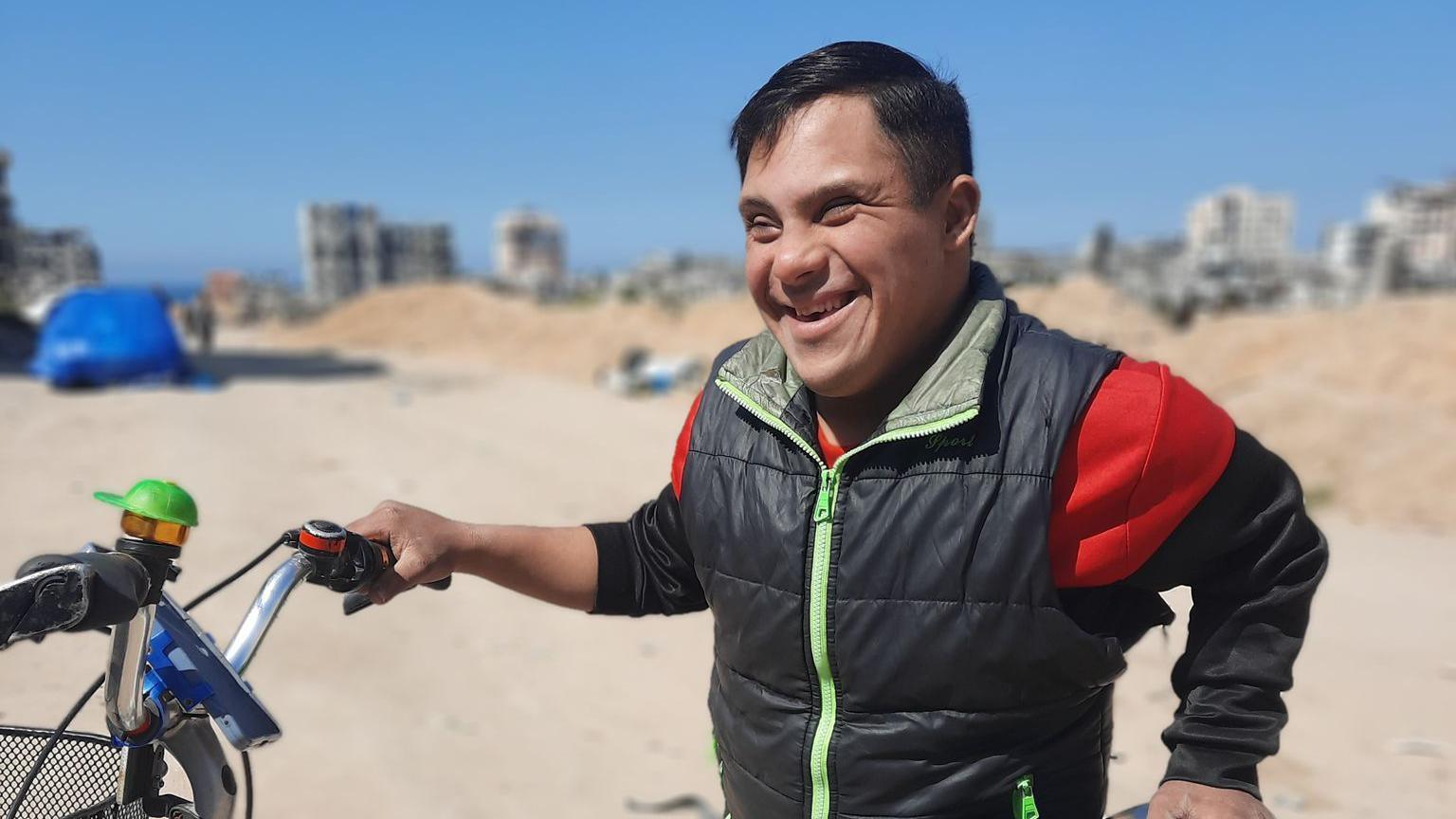
In the midst of the Gaza conflict, families are left anxious as thousands of Palestinians remain missing amid relentless strikes. Ahmed al Madhoun, a 21‑year‑old with Down syndrome, vanished in May 2025, prompting his mother Majdiya to hold onto hope that he may survive. Meanwhile, Aida al Drimli’s son, Mahmoud, disappeared in 2024, with a photo later surfacing that some say shows him held by Israeli soldiers. The situation is compounded by a growing detainee crisis, limited access for humanitarian agencies, and a death toll that may be far higher than official figures suggest.
In the rubble of Gaza City, the al Madhoun family clutches a video of Ahmed laughing with a kitten, a glimpse of a life that was unburdened by the ongoing conflict. Ahmed was a 21‑year‑old with Down syndrome, known for his cheerful grin and love for life. Since a May 2025 shop visit, he has been missing and the war’s tide of Israeli strikes has only multiplied the fear of a fatal outcome.
Majdiya, Ahmed’s mother, carries her anguish in a voice that never fully quits: “My God, I am not at peace,” she tells the BBC. She has not yet learned whether her son is still alive, buried under layers of rubble, or captive. This personal emptiness is mirrored in the larger crisis, where over 73,000 Palestinians have lost their lives and more than 8,000 remain unaccounted for, according to the Civil Defence agency.
The International Red Cross has received more than 5,000 requests for tracing missing people who may be buried amid the destruction. Yet the lack of bulldozers and the prohibitions imposed by Israeli authorities mean the recovery of bodies is arduous and slow. Compounding this vacancy, the Israeli military has detained an estimated 7,000 Palestinians from Gaza in the last three years, with around 1,300 held without charge or trial, according to HaMoked.
A search for Mahmoud al Drimli began in 2024; he was last seen prior to an Israeli attack and was later identified in a social media photo allegedly showing a blind‑folded detainee beside Israeli soldiers. Though the IDF and Israeli prison services deny holding him, the family has petitioned the Red Cross for disclosure.
Legal obstacles have made it difficult for families to track possible detainees: Israeli law now bars the International Red Cross from accessing prison records and the ICRC itself holds no lists of those held by Israel, according to lawyer Tal Steiner. The families endure the emotional strain of uncertain status, described as “an open wound that never heals.”
As the number of missing rises, each individual case adds weight to a grief that travels beyond families and turns the entire community into a living witness to the humanitarian crisis surrounding the Gaza war.