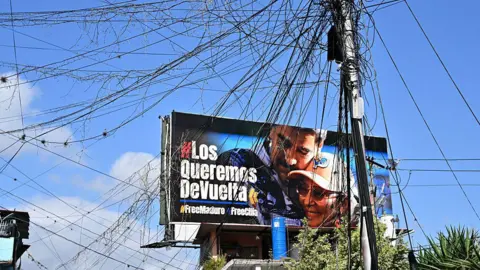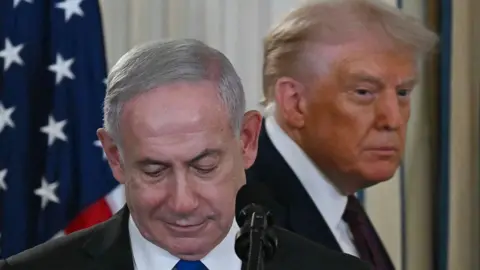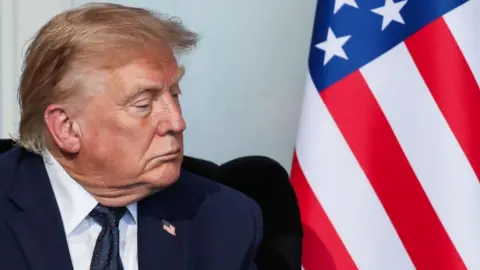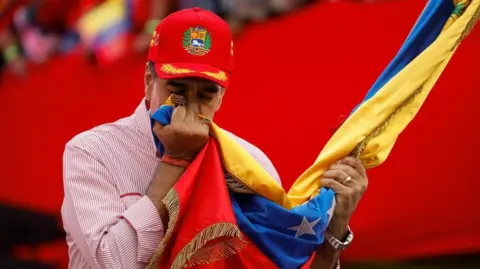
US President Donald Trump has been ramping up pressure on Venezuela's leader, President Nicolás Maduro.
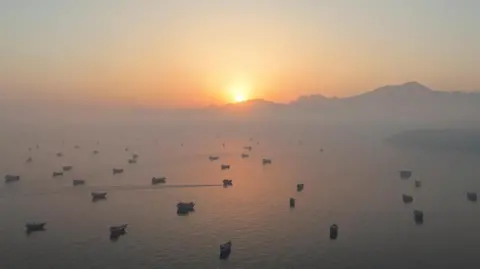
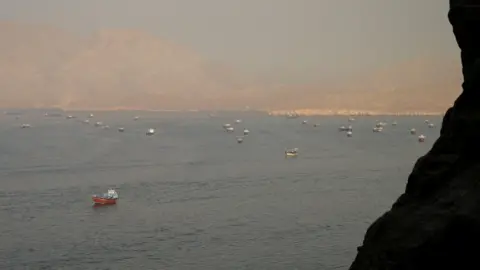
The Trump administration has doubled the reward for information leading to Maduro's capture, and its warships are within striking distance of Venezuela. Dozens of people have been killed in attacks on boats alleged to have been transporting drugs from the South American country.
Trump reportedly also gave Maduro an ultimatum to leave Venezuela, in a phone call the two men had on 21 November.
Nicolás Maduro rose to prominence under the leadership of left-wing President Hugo Chávez and his United Socialist Party of Venezuela (PSUV). Maduro, a former bus driver and union leader, succeeded Chávez and has been president since 2013.
Trump has made stopping immigration a priority during his second term in office and he blames Maduro for the arrival of a large number of Venezuelan migrants in the US. Since 2013, close to eight million Venezuelans are estimated to have fled the economic crisis and political repression in Venezuela, which have both worsened under Maduro.
The US has deployed 15,000 troops and a range of aircraft carriers, guided-missile destroyers, and amphibious assault ships to the Caribbean, amid concerns regarding drug trafficking, particularly fentanyl and cocaine.
In a surprising escalation, Trump's ultimatum has left many wondering about potential military actions against Maduro's administration as the ultimatum deadline expired without compliance from the Venezuelan president.
As tensions mount, analysts speculate on the implications of U.S. military presence so near to Venezuela, questioning the legality and strategic intentions behind such maneuvers amidst a deteriorating humanitarian crisis.