In brief
The 2026 Ebola outbreak in the Democratic Republic of Congo has already registered 4,300 cases and 2,200 deaths and is expected to surpass the 2014‑2016 outbreak that claimed 11,000 lives. WHO Director‑General Tedros Adhanom Ghebreyesus warns that the virus outpaces containment efforts and that the spread may not be halted. The strain is the rare Bundibugyo species, for which no vaccine or proven treatment exists. Health workers face additional challenges from regional insecurity, limiting access to 70% of suspected cases. Human trials of a new vaccine are now underway, backed by the UK MHRA and Oxford scientists. WHO is also conducting a clinical trial of two antiviral therapies in the DRC to improve survival rates. The outbreak emphasizes the urgent need for global cooperation and rapid development of effective counter‑measures.
The 2026 Ebola outbreak in the Democratic Republic of Congo (DRC) has already caused 2,200 deaths and 4,300 confirmed cases, and the World Health Organization (WHO) warning that it could become the deadliest outbreak in history.
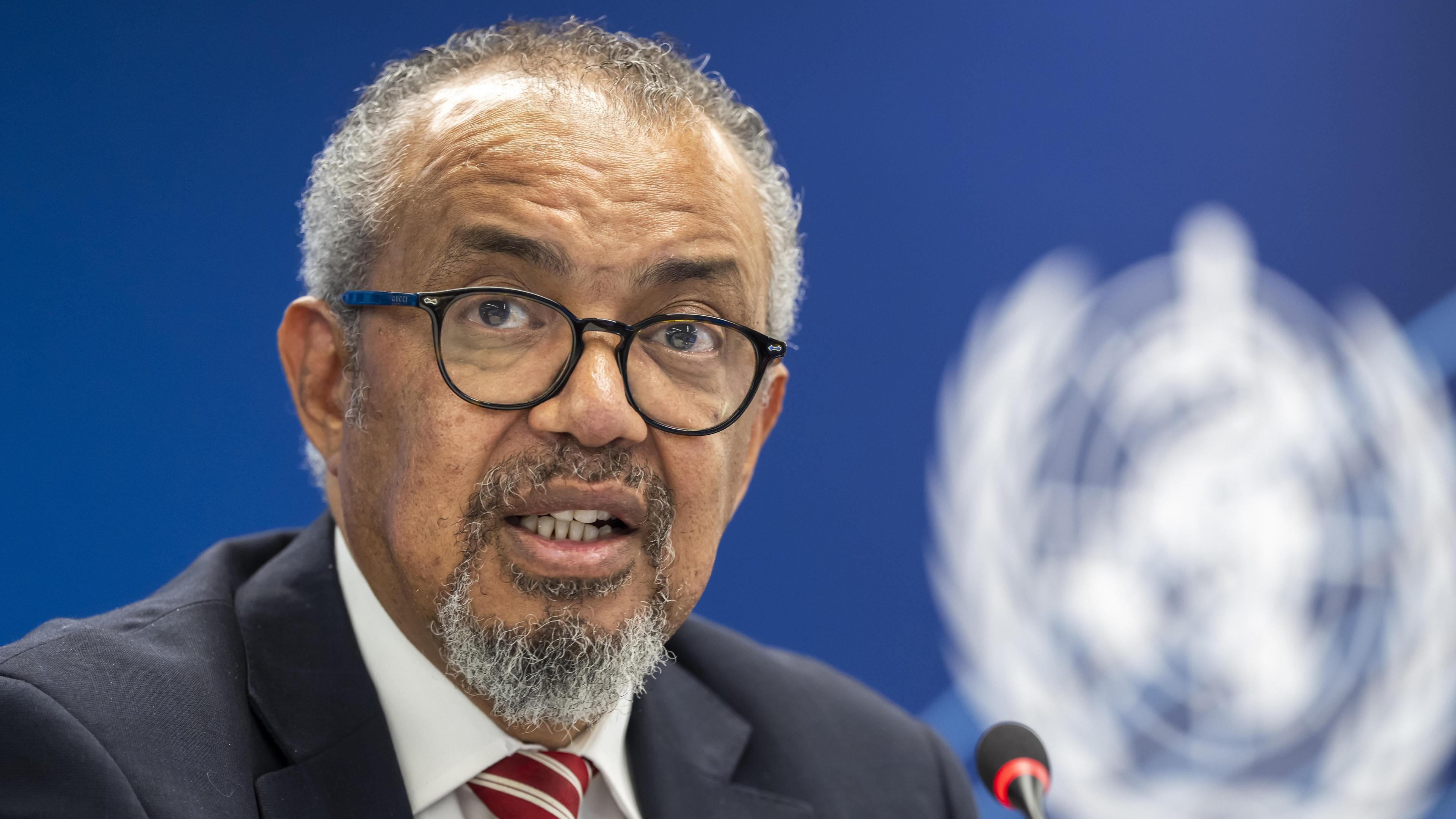
WHO Director‑General Tedros Adhanom Ghebreyesus told reporters that the outbreak, at its current pace, would eclipse the 2014‑2016 crisis that killed at least 11,000 people.
The outbreak, declared on 15 May, actually began around February, according to Dr Mohamed Janabi, WHO Africa director, who said the virus was misdiagnosed as malaria or typhoid early on.
It is caused by the rare Bundibugyo strain, which has produced only two previous outbreaks in 2007 and 2012, and no approved vaccine nor recognised therapeutic drugs are available.
The region’s ongoing political instability limits health workers’ reach, allowing them to identify only about 30% of cases.
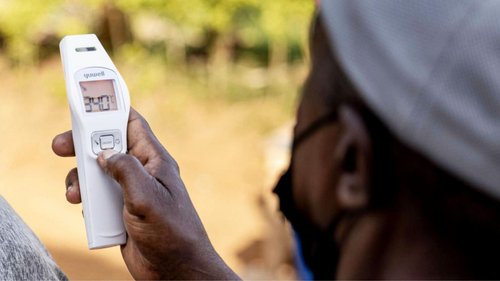
Symptoms of Ebola can appear within two to 21 days and can mimic flu or malaria, including fever, headache and fatigue, followed by vomiting, diarrhoea and organ failure.
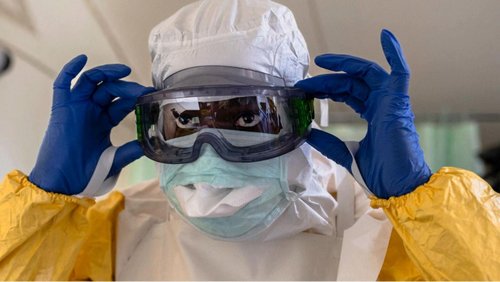
The virus spreads by contact with infected bodily fluids such as blood or vomit.
The UK Medicines and Healthcare products Regulatory Agency (MHRA) has permitted the first human trials of a new Bundibugyo vaccine, developed by the University of Oxford using technology similar to the Oxford‑AstraZeneca Covid vaccine.
WHO is also sponsoring a clinical trial in the DRC to evaluate two existing antiviral therapies for their potential to improve survival rates.