In brief
Former Democratic Republic of Congo president Joseph Kabila has been named head of the Front for the Refoundation of the Nation (FRN), a coalition that vows to oust President Félix Tshisekedi by “all means, including force.” The declaration came after Kabila’s 2023 exile and a looming death‑sentencing for treason, and is the first clear sign of his direct involvement in armed opposition. The FRN’s press conference, held at Kabila’s Goma residence, revealed M23 leader Sultani Makenga as one of Kabila’s deputies, signalling a broader alignment with eastern Congo’s long‑running militia conflict. No official response has been issued by the Tshisekedi administration, while the region’s fragile security situation—harried by over 100 militia groups and suspicions of Rwandan support for the M23—remains on edge. The new coalition’s emergence heightens uncertainty ahead of the 2028 elections and a potential referendum on presidential term limits.
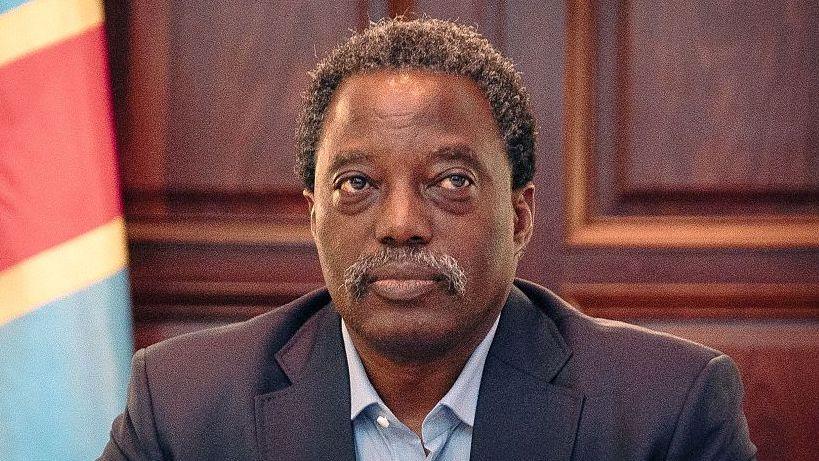
Joseph Kabila was President of the Democratic Republic of Congo from 2001 until January 2019.
Former president Joseph Kabila now leads the Front for the Refoundation of the Nation (FRN), a new rebel coalition that vows to topple President Félix Tshisekedi.
In a press conference on Monday inside his Goma residence, Kabila declared the FRN would coordinate “resistance forces” to end what it calls “tyranny” in the country, promising to pursue that goal by all means, including force. The move follows his 2023 exile and a death‑sentencing in absentia for treason that he has repeatedly denied ties to.
The coalition’s launch also revealed that M23 rebel leader Sultani Makenga will serve as one of Kabila’s four deputies, alongside other former members of the AFC‑M23 alliance that seized most of eastern DR Congo last year.
The Tshisekedi administration has so far refused to comment on the FRN’s formation, leaving the political landscape in a state of heightened tension as the region contends with more than 100 militia groups vying for power and control of mineral wealth.
The emergence of the FRN raises the stakes for a country already struggling with violence for decades, and could precede significant changes to the upcoming 2028 elections and the possibility of redefining presidential term limits for the first time in most of DR Congo’s post‑colonial history.