From sunrise, throngs of military personnel, government officials and civilians lined the route between Havana's airport and the Armed Forces Ministry to applaud home the remains of 32 Cuban troops killed in Venezuela as they passed by in a funeral cortege.
The country's leadership – from Raul Castro to President Miguel Diaz Canel – were at the airport to receive the boxes carrying the cremated ashes of their '32 fallen heroes'.
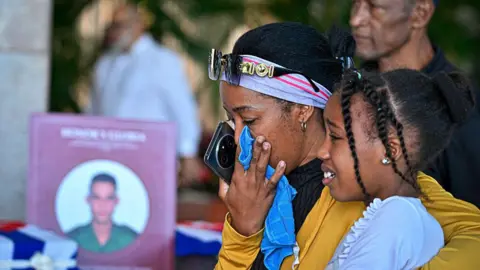
Each urn was draped in a Cuban flag and accompanied by a photograph of the deceased soldier or intelligence officer, exemplifying the reverence displayed during their return.
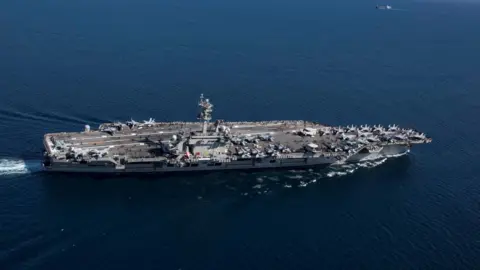
Despite the military honours, this event has highlighted a significant setback for the Cuban Revolution. Reportedly, this marks the largest loss of Cuban soldiers since the Bay of Pigs invasion in April 1961. The rare engagement between Cuban and US forces illustrates ongoing tensions between the two nations.
The US troops, better-trained and equipped, emerged mostly unscathed from this confrontation, casting a shadow over Cuba's military strategy.
Family members mourned deeply while laying hands on the wooden boxes in Havana. The significance of this incident couldn't be more apparent, forcing the Cuban government to admit its longstanding covert presence in Venezuela's political and security arenas.
With the US military action and the subsequent diplomatic shifts, particularly with the interim Venezuelan president Delcy Rodriguez and President Trump, Cubans are left to wonder about their future amidst changing allegiances.
As the nation experiences severe economic and infrastructural hardships, the fears of losing Venezuelan support loom large. In a recent show of defiance, long-standing revolutionary figure Victor Dreke has assured that Cuba remains resilient against foreign encroachments.
In light of the current situation, the discourse around Cuban resilience, military readiness, and economic vulnerability continues to evolve, emphasizing the complexities that lie ahead for Cuba.