In brief
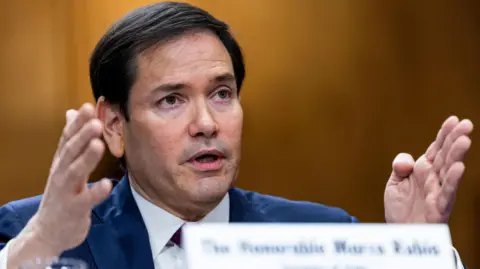
Secretary of State Marco Rubio defended US military actions in Venezuela during a Senate hearing, describing it as a law enforcement operation rather than war. He asserted that the US's involvement is necessary for restoring stability and ensuring security in the region following the removal of Nicolás Maduro. Critics questioned the legality of the airstrikes and the broader implications, while Rubio maintained confidence that these steps will lead to prosperity for Venezuela and a shift in its governance.
During a much-anticipated Senate Foreign Affairs Committee hearing, Marco Rubio, the Secretary of State, asserted that US intervention in Venezuela is crucial for fostering national prosperity and security. The hearing allowed senators who had long sought answers regarding US policy in Venezuela to finally interrogate Rubio about the military actions taken against Nicolás Maduro's regime. Rubio's statements came in light of significant military operations earlier in January, which led to Maduro's arrest for drug trafficking charges in New York.As Rubio noted the historical context, he reaffirmed that the US's military actions were not an act of war but a necessary law enforcement operation designed to restore order. However, Senator Rand Paul noted discrepancies in the justification for such military actions, claiming they lacked comprehensive legality.Despite criticism, Rubio maintained a steadfast stance, emphasizing that Maduro is not the legitimate president and that his removal paves the way for a thriving Venezuela devoid of corruption and dictatorial governance. He further outlined a strategic vision for Venezuela's oil industry, indicating that profits from sales should primarily benefit US-made goods—a key economic strategy he believes will significantly reshape the Venezuelan landscape.Rubio's remarks also hinted at continuing military readiness, stating that while they do not seek further escalation, such actions remain an option if needed. The administration's aim is to stabilize Venezuela and return control to a democratically elected government, with the current interim leadership emphasizing an alignment with US objectives, particularly in curbing the lifeline to Cuba, which has historically relied on Venezuelan oil.This hearing marks a crucial juncture in US-Venezuelan relations, with implications that could resound throughout Latin America, particularly among regions governed by leftist regimes accustomed to Maduro's support.