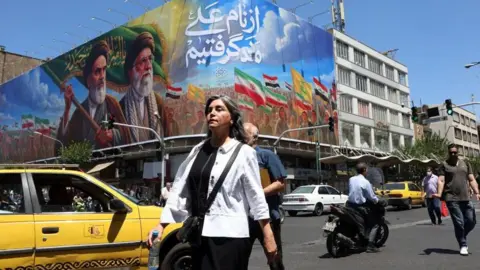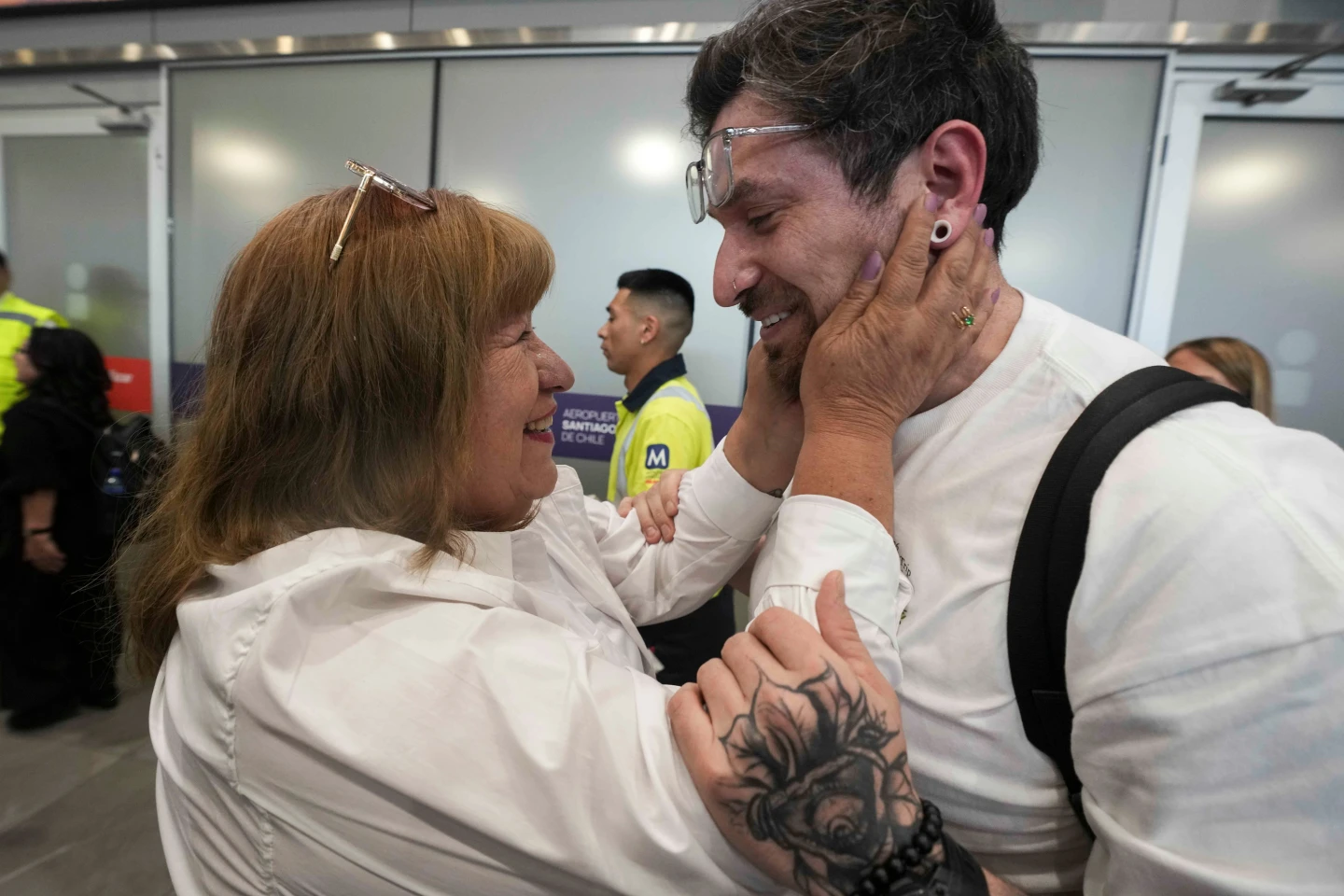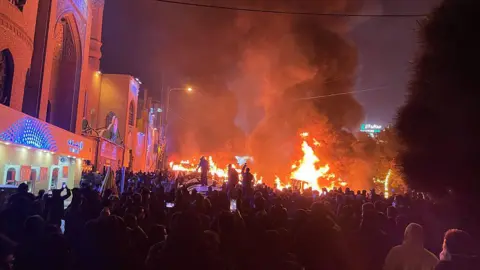
For Mojdeh and her husband, the question of US intervention in Iran is personal. In early January, they traveled from their home in Washington, DC to Tehran for a family visit, but instead found themselves in the midst of protests, flight cancellations, and a sense of unpredictability. The unrest highlighted the anger over economic hardship and demands for an end to the Islamic Republic.
As cases of violence and riots were reported, protests in multiple cities led to a heavy crackdown by security forces. The true death toll from these events remains hard to verify amid internet blackouts and limited independent reporting. Estimates have ranged greatly, from confirmed deaths over 6,000 to claims by Iranian authorities attributing casualties mostly to security injuries and rioters.
Amidst this backdrop, discussions on US intervention emerged. Some express hope for international help, claiming that without external pressure, changes cannot be achieved. Others, particularly those with family back home, express deep concern, arguing that intervention could exacerbate suffering under the regime.
The voices echo a range of sentiments: from those who fear that intervention might lead to worsening conditions to others who see it as the only viable option for genuine reform and liberation from oppressive governance. Many Iranians, whether in the US or within Iran, currently grapple with the realization that their collective fate hangs in the balance, stirring both urgency and despair in a nation already steeped in suffering.
As cases of violence and riots were reported, protests in multiple cities led to a heavy crackdown by security forces. The true death toll from these events remains hard to verify amid internet blackouts and limited independent reporting. Estimates have ranged greatly, from confirmed deaths over 6,000 to claims by Iranian authorities attributing casualties mostly to security injuries and rioters.
Amidst this backdrop, discussions on US intervention emerged. Some express hope for international help, claiming that without external pressure, changes cannot be achieved. Others, particularly those with family back home, express deep concern, arguing that intervention could exacerbate suffering under the regime.
The voices echo a range of sentiments: from those who fear that intervention might lead to worsening conditions to others who see it as the only viable option for genuine reform and liberation from oppressive governance. Many Iranians, whether in the US or within Iran, currently grapple with the realization that their collective fate hangs in the balance, stirring both urgency and despair in a nation already steeped in suffering.