In brief
Ukrainian diver Volodymyr Zhuravlyov has been detained in Croatia over allegations of participation in the September 2022 explosions that sabotaged the Nord Stream gas pipelines. German prosecutors claim he was part of a team of scuba divers who planted the blasts and are now pursuing extradition from Croatia. He is the second suspect to be detained, following the arrest of former Ukrainian officer Serhiy Kuznetsov in Italy, who has been extradited to Germany. If extradited, Zhuravlyov would face charges of sabotage in a German court, a case that has strained Ukraine‑Germany relations and reignited debate about the origins of the attacks.
Ukrainian diver Volodymyr Zhuravlyov has been arrested in Croatia on suspicion of taking part in the 2022 explosions that damaged Russia‑to‑Germany Nord Stream pipelines.
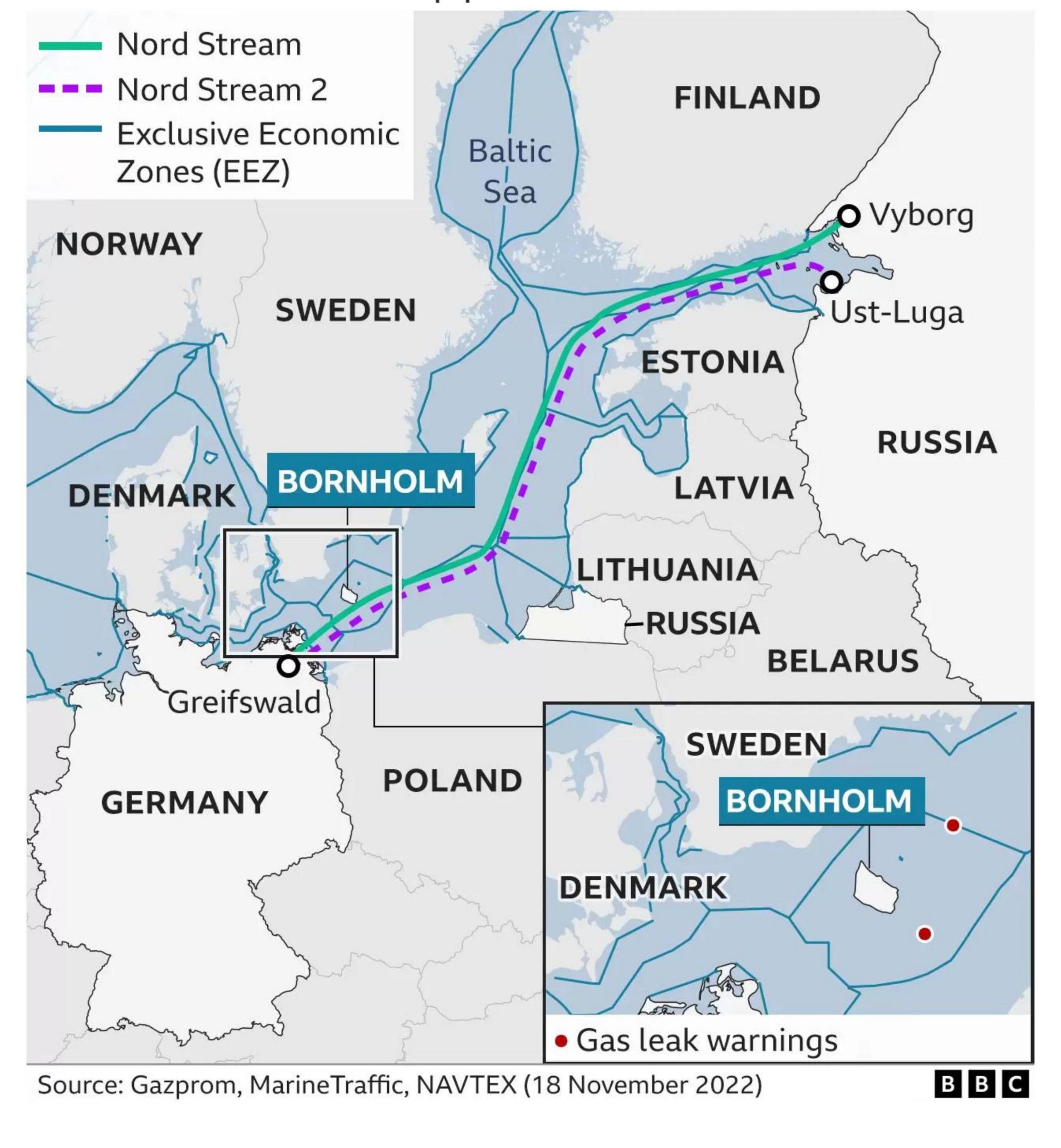
German prosecutors allege the diver was part of a clandestine team that conducted undersea dives to plant explosives in the four pipelines during September, a month after Russia’s full‑scale invasion of Ukraine.
Zhuravlyov is the second suspect in this case, following former Ukrainian military officer Serhiy Kuznetsov, who was arrested in Italy in August 2025 and subsequently extradited to Germany. Kuznetsov has denied involvement and has already appeared before a Hamburg court in June.
The Polish court that handled Zhuravlyov’s 2023 extradition request refused to send him to Germany, citing the claim that the attack might have been a justified act if Ukraine were responsible. The recent Croatian arrest is a diplomatic development amid an ongoing hunt for the masterminds behind the blasts.
If extradited from Croatia, Zhuravlyov would be charged with causing explosions and sabotage. The case has heightened tensions between Kyiv and Berlin, as the Nord Stream pipeline has long been a point of contention for both sides: Moscow, Berlin, and the United States all oppose the project for different reasons, while Poland opposes it for economic and strategic reasons.
The international response continues as European authorities chase the men behind the underwater attacks, reshaping the narrative that once blamed Moscow exclusively. The arrest signals a shift towards a broader European cooperation against alleged Ukrainian involvement in a globally significant energy sabotage event.