In brief
Indeed Brewing and other craft breweries are at the center of a potential crisis as a federal ban on THC-infused drinks looms. Amid falling alcohol sales, these hemp-derived products have become vital to breweries' bottom lines. The ban, a result of a measure included in a recent government funding bill, would threaten a burgeoning $24 billion industry and the livelihoods of many. Industry leaders argue for the need to develop appropriate regulations rather than a complete ban, highlighting concerns about job losses and tax revenue depletion.
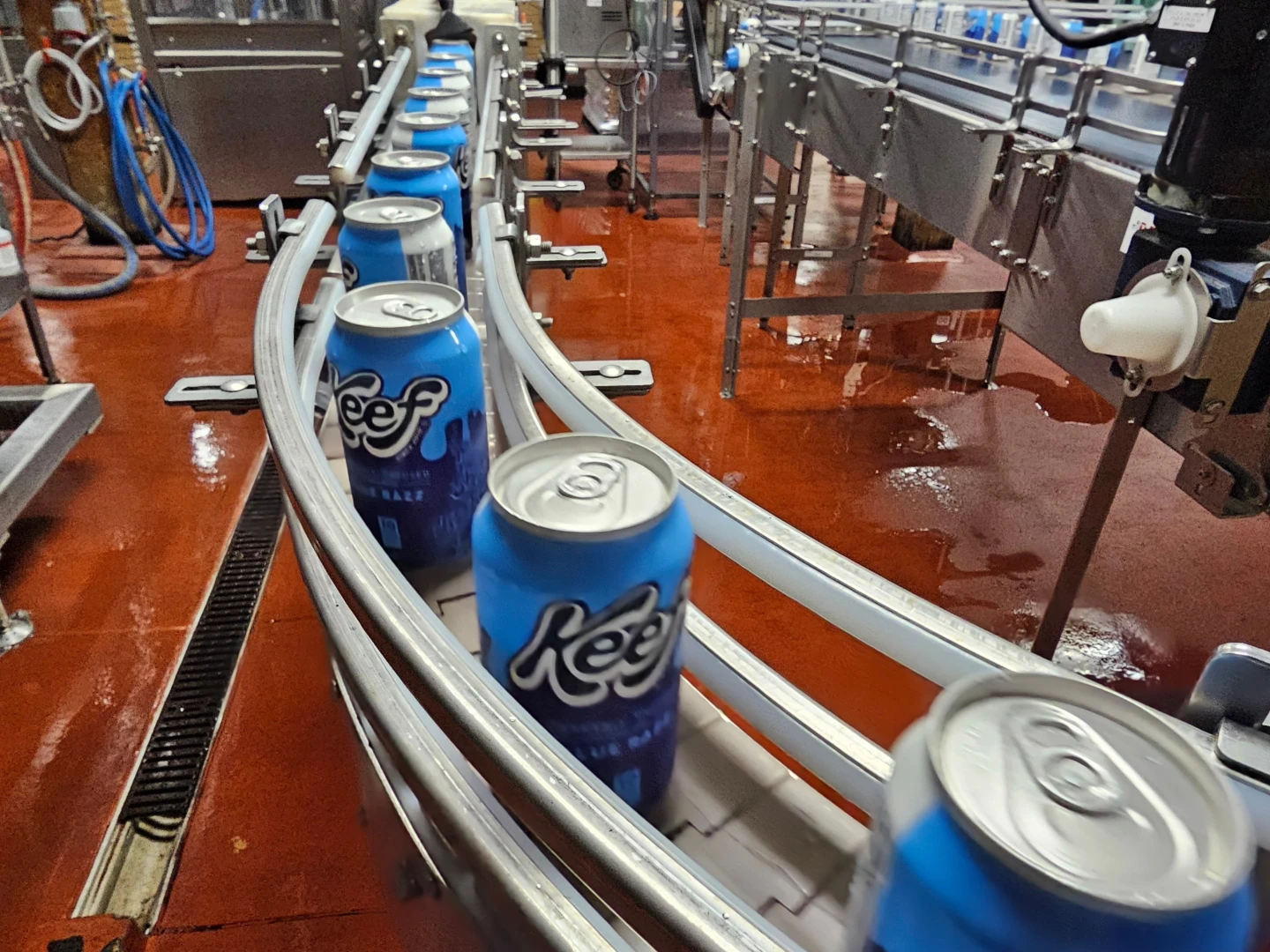
MINNEAPOLIS (AP) — The production lines at Indeed Brewing moved quickly, the cans filling not with beer, but with THC-infused seltzer. The product, which features the compound that gets cannabis users high, has been a lifeline at Indeed and other craft breweries as alcohol sales have fallen in recent years.
But that boom looks set to come to a crashing halt. Buried in the bill that ended the federal government shutdown this month was a provision to ban those drinks, along with other impairing beverages and snacks made from hemp. Now the $24 billion hemp industry is scrambling to save itself before the provision takes effect in November 2026.
“It’s a big deal,” said Ryan Bandy, Indeed’s chief business officer. “It would be a mess for our breweries, for our industry, and obviously for a lot of people who like these things.”
Congress opened the door in 2018
Marijuana and hemp are the same species. Marijuana is cultivated for high levels of THC in its flowers. Low-THC hemp is grown for its sturdy fibers, food, or wellness products. “Rope, not dope” was long the motto of farmers who supported legalizing hemp.
After states began legalizing marijuana for adult use over a decade ago, hemp advocates saw an opening at the federal level. As part of the 2018 farm bill, Congress legalized the cultivation of industrial hemp to give farmers, including in Republican Sen. Mitch McConnell’s home state of Kentucky, a new cash crop.
But the way that law defined hemp — as having less than 0.3% of a specific type of THC — opened a huge loophole. Beverages or bags of snacks could meet that threshold and still contain enough THC to get people high. Businesses exploited the law further by extracting a non-impairing compound, called CBD, and chemically altering it into impairing THC variants.
The outcome? A proliferation of unregulated products laden with hemp-derived THC spreading around the country. In many places, they have been available at convenience stores and gas stations, even to teenagers.
A patchwork of state regulations
Dozens of states have since taken steps to regulate or ban impairing hemp products. In October, California Governor Gavin Newsom signed a bill banning intoxicating hemp products outside the state’s legal marijuana system.
Some lawmakers say they will push for regulation of the hemp THC industry. Minnesota’s senators are strategizing to save the industry, suggesting the federal government could allow states to create their own regulatory frameworks.
A powerful senator moves to close the loophole
McConnell closed the loophole by inserting a federal hemp THC ban into the government funding bill. He stated it would keep dangerous products from children while preserving the hemp industry for farmers.
As the ban's implementation approaches, industry leaders like Jonathan Miller, from U.S. Hemp Roundtable, express hope for regulations that ensure safety rather than outright eradication of the industry.