In brief
A government shutdown affecting the U.S. Department of Homeland Security has commenced, impacting airport security screening as travelers reflect on the disruptions caused by a previous 43-day shutdown. TSA officers are tasked with continuing work without pay, raising concerns over extended security lines at commercial airports. Experts encourage passengers to arrive early and check wait times proactively, while the ongoing political negotiations leave the duration of the shutdown uncertain.
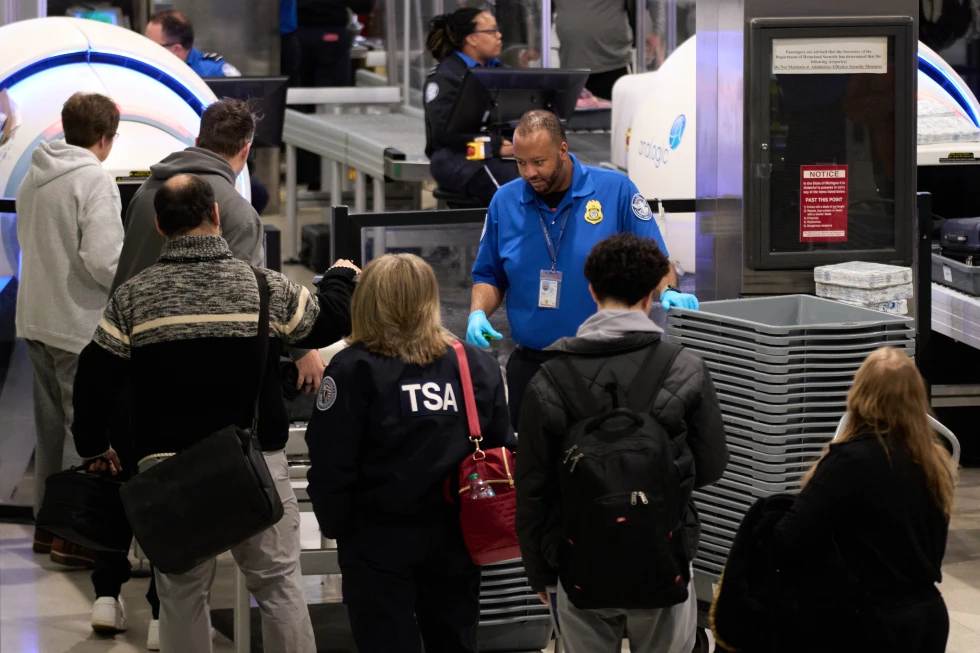
Early Saturday saw the implementation of a U.S. Department of Homeland Security (DHS) shutdown that shakes up the agency responsible for overseeing passenger and baggage screening at airports. Travelers are reminded of the troubling 43-day shutdown from last year that led to historic flight cancellations and delays, heightening anxiety around air travel as security operations struggle from lack of funding.
TSA (Transportation Security Administration) officers face the challenge of working without compensation during this time, casting a shadow over the security procedures in place. Aviation experts suggest that this shutdown's impact may differ from the previous one, despite TSA personnel being deemed essential and expected to continue their duties.
The U.S. travel industry, along with major airlines, cautions that a prolonged absence of DHS funding could mean increasingly longer security lines across commercial airports. As layoffs loom, passengers are encouraged to prepare adequately for potential delays during the upcoming travel seasons.
What Makes This Time Different?
The DHS funding lapsed at midnight, yet the rest of the federal government remains funded through the end of September. This means that while air traffic controllers should receive their paychecks as usual, the lack of funds does create pressing concerns for TSA personnel who are critical for airport operations.
Previous shutdowns saw travel disruptions unfold over time, with a notable slowdown beginning roughly a month into last year's shutdown, leading to checkpoint closures and altered airline schedules. The impact on travelers remains unpredictable, with insufficient staffing potentially hindering operations at smaller airports, where even a few absences can have significant consequences.
Travelers are now finding it essential to arrive earlier at airports, as the potential for heightened wait times looms. Experts such as John Rose, chief risk officer at Altour, stress the importance of proactive planning in light of fresh memories of the last shutdown. With experts highlighting the risks, they encourage passengers to observe TSA's guidelines on prohibited items in light of ongoing concerns regarding delays in security checks.
The Outlook Ahead
Ongoing negotiations in Washington have failed to conclude a solution before lawmakers departed for a scheduled break, keeping the future of the shutdown uncertain. Complications in securing funding are tied to Democratic demands for stricter guidelines on federal immigration enforcement. Travel advocates warn that if the standoff continues, it could spell trouble for air travel just as busy travel seasons approach.
In the mean time, travelers are encouraged to consult airport websites for current wait times and to pack wisely to avoid prohibited items. TSA is providing comprehensive lists of allowed items for carry-ons and checked luggage, ensuring travelers can take steps to smooth out the potentially challenging airport experience.