In brief
The US-Iran negotiations in Islamabad are marked by uncertainty as five major sticking points complicate the dialogue. Key issues include Iran's nuclear program, regional military alliances, control over the Strait of Hormuz, sanctions relief, and ongoing Israeli actions against Hezbollah in Lebanon. Both sides express a cautious optimism, yet significant obstacles remain.
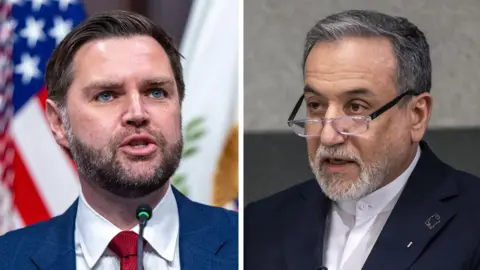
Islamabad is poised to host critical talks between US and Iranian officials, with crucial hurdles looming large. US Vice President JD Vance, leading the American delegation, accentuates a willingness for open discussions provided Iran engages in good faith. However, he issues a stern warning against any perceived dishonesty during negotiations.The atmosphere in Pakistan is filled with cautious optimism, as both countries appear keen to find common ground, though immense obstacles remain.Five significant sticking points threaten to derail the discussions: 1) **Nuclear Aspirations:** Iran's nuclear program continues to be a contentious issue, with the US demanding an end to any uranium enrichment within Iran, a notion Iran contests as a violation of their rights under the Nuclear Non-Proliferation Treaty.2) **Sanctions Relief:** Iran is pressing for a complete lifting of sanctions and the release of an estimated $120 billion in frozen assets, a demand that poses a challenge for the US as they approach the talks—with little indication of a readiness to concede.3) **Regional Alliances:** Iran's connections with groups like Hezbollah and the Houthis could further complicate talks. Iran insists on maintaining support for these groups, while the US views them as threats to regional stability.4) **Strait of Hormuz:** Control over this crucial oil shipping passage is another significant issue at play. Tensions escalated after US accusations of Iranian mishandling of shipping rights.5) **Israeli Actions Against Hezbollah:** As Israeli military operations continue against Hezbollah, Iran has raised concerns that these actions undermine the potential success of negotiations.With these significant challenges on the table, both parties will need to navigate these complex issues with care to foster a path to peace.