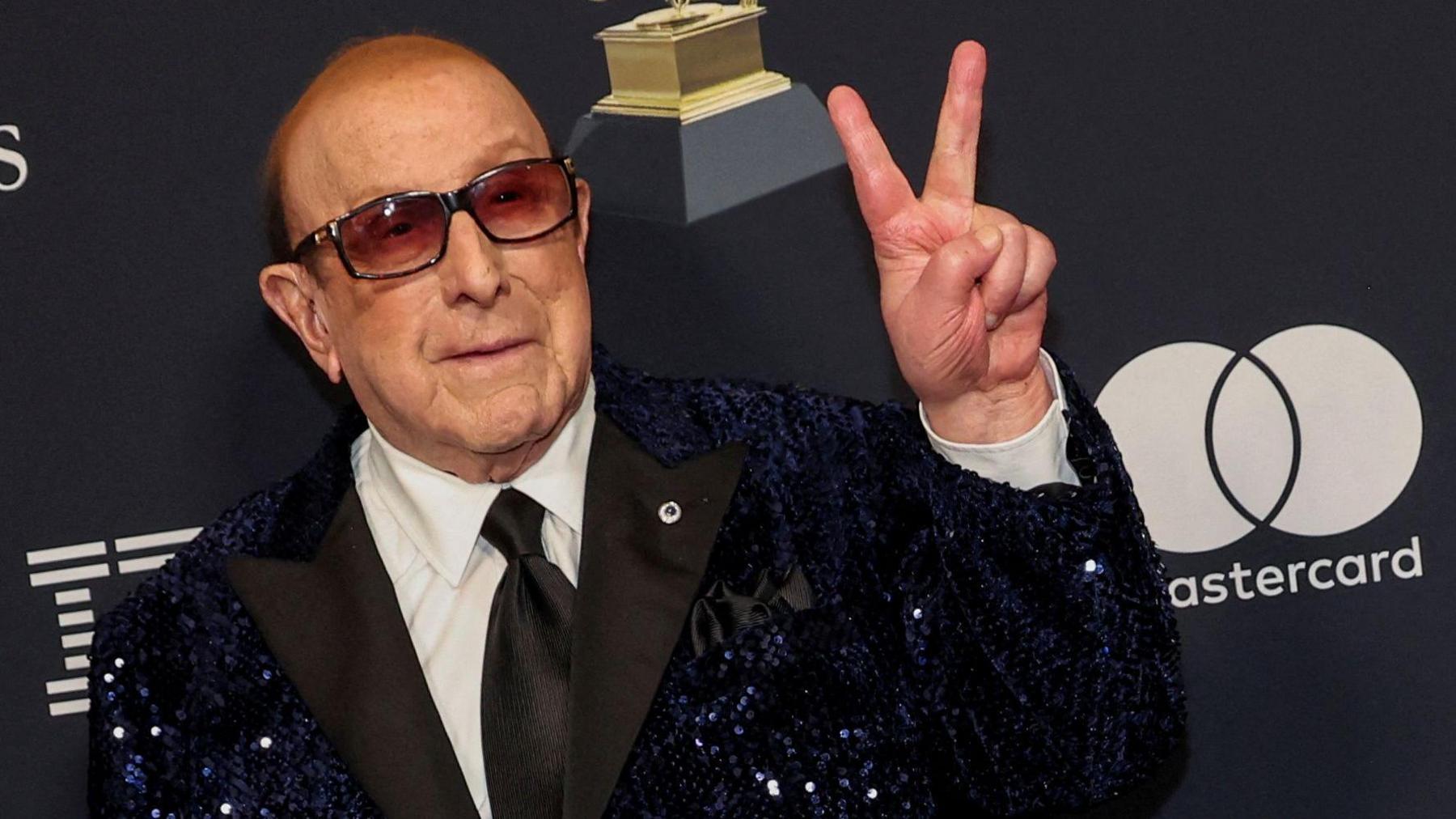
Clive Davis, the industry titan who guided the careers of Whitney Houston, Bruce Springsteen, Aretha Franklin and a host of other music legends, died on 22 June 2026 in his Manhattan home, aged 94. His passing came after a long bout of respiratory illness and a brief period of recovery in the city of his birth, Brooklyn.
A graduate of Harvard Law School, Davis entered Columbia Records at age 28 with no prior music experience. Quickly learning the legal side of the business, he steered the label through a national mail‑order club antitrust suit and made the pivotal decision to keep Bob Dylan after the singer turned 21. In 1965 he was promoted to vice‑president, and three years later he became president, turning Columbia’s fortunes by signing foundational acts such as Santana, Aerosmith, Pink Floyd and Bruce Springsteen. The official Arista Records emerged from his vision in 1970, launching the polished pop offerings of Barry Manilow and the groundbreaking debut of Patti Smith.
Davis’s uncanny ear for talent also guided the arrival of Whitney Houston in 1983. He spent years hunting the right production team for her, resulting in a 1985 self‑titled album that topped charts worldwide and the iconic 1990 rendition of "I Will Always Love You". Other signings—Alicia Keys, Maroon 5, Usher and TLC—proved his knack for spotting and shaping future stars across different eras, although he publicly admitted he would “never get rap music.”
In 1976 he inaugurated his annual Grammy parties, a tradition that continued through the decade and solidified his status as a public figure beyond the boardroom. The 2000 induction into the Rock & Roll Hall of Fame (non‑performer) cemented a career that earned five Grammys and dozens of best‑selling albums.
Trends may shift, but Davis’s mantra—"Music is a necessary ingredient in people’s lives"—remains relevant. Families, artists and critics alike channeled their admiration in tributes that highlighted his role as a steadfast mentor and loving fatherly presence. Patti Smith, Glenn O’Brien and others echoed the widespread impact of his guidance and charity, proving that his influence was felt not only in business but in the emotional connective‑tissue of society.
Clive Davis's legacy is a reminder of the powerful role executives play in shaping cultural history. His long‑standing belief in talent and music will continue to inspire future generations of industry leaders. The world of music, it seems, will never disappear—and neither will the memory of the man who helped make it an enduring soundtrack to life.