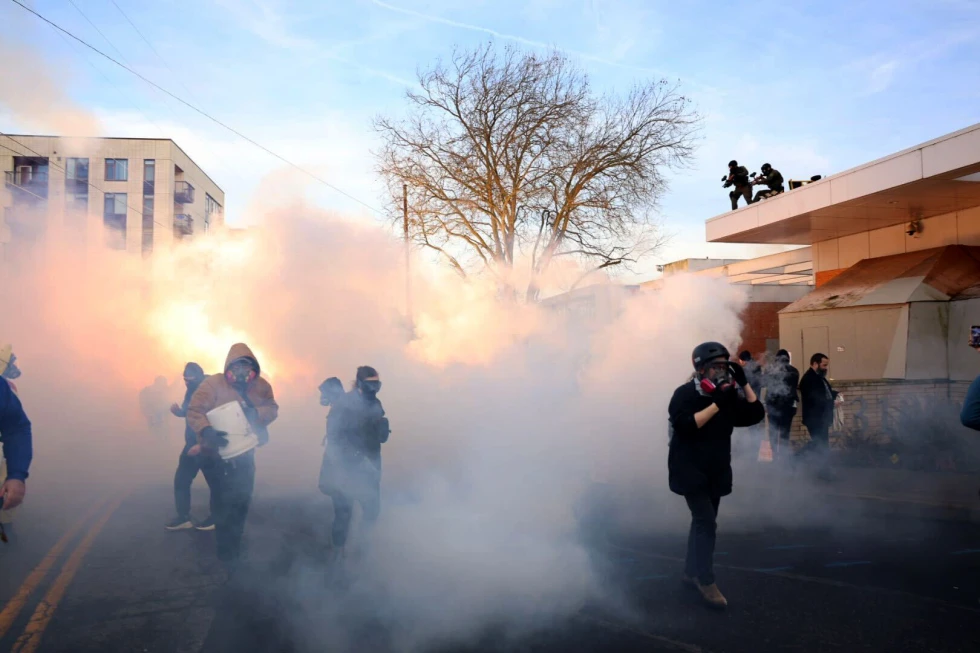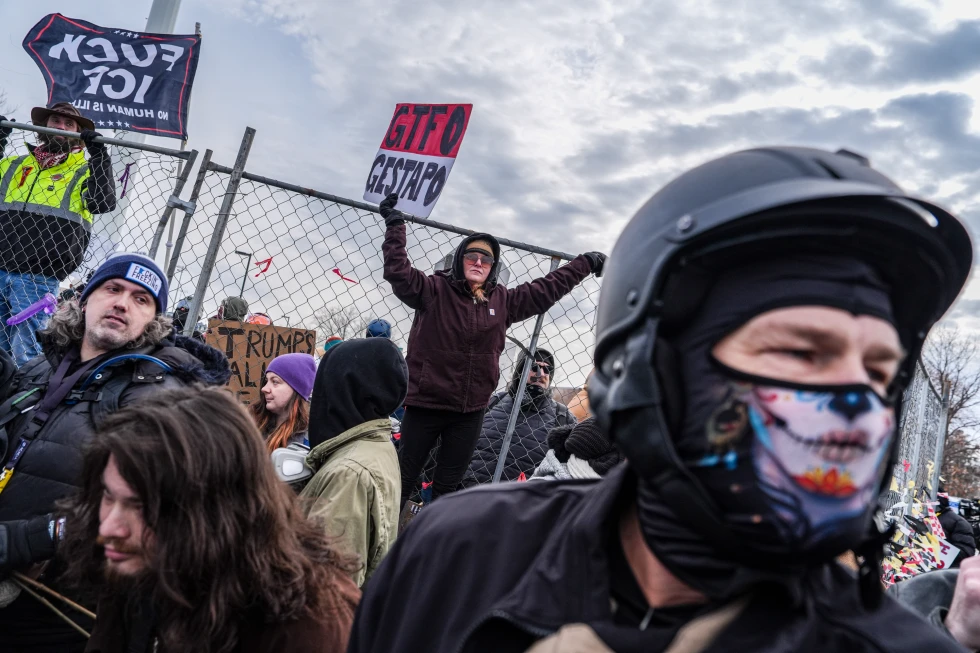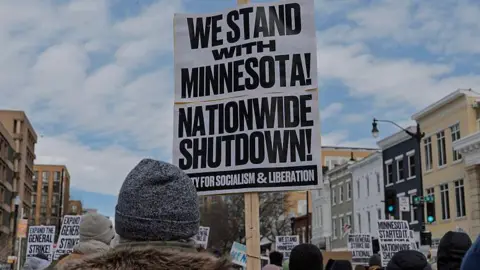
Talks to avert a US government shutdown have intensified in Washington DC, with a deal reportedly edging closer amid a political drama following the fatal shooting of a nurse by federal immigration agents.
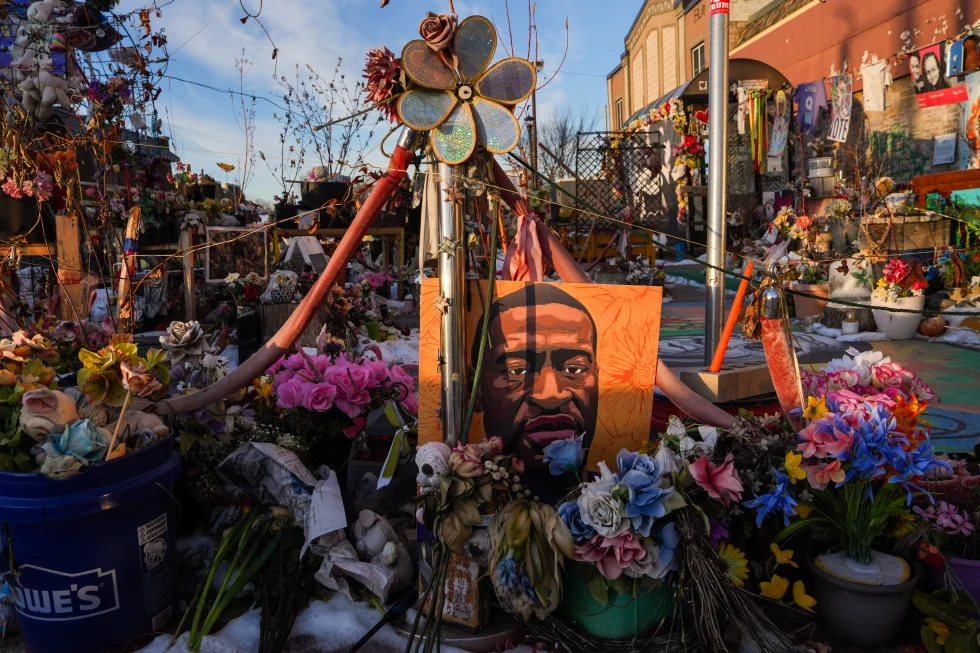
Prompted by the death of 37-year-old Alex Pretti in Minneapolis, Democrats are pushing to remove funding for the Department of Homeland Security (DHS) from a $1.2tn (£870bn) spending bill unless additional oversight is added.
US media report that the White House and Senate Democratic leadership are nearing an agreement which would meet Democratic demands to introduce new restrictions on federal immigration agents.
That would mean five of the six spending bills could be passed before the Friday deadline while the DHS one would get a short-term extension to allow time for more discussion on the proposed new restrictions, such as around the use of masks by agents.
If no deal is struck, the second shutdown within months will begin at one minute after midnight on Friday 30 January.
How likely is a government shutdown?
The spending bill has already passed in the House of Representatives, but needs 60 Senate votes to advance.
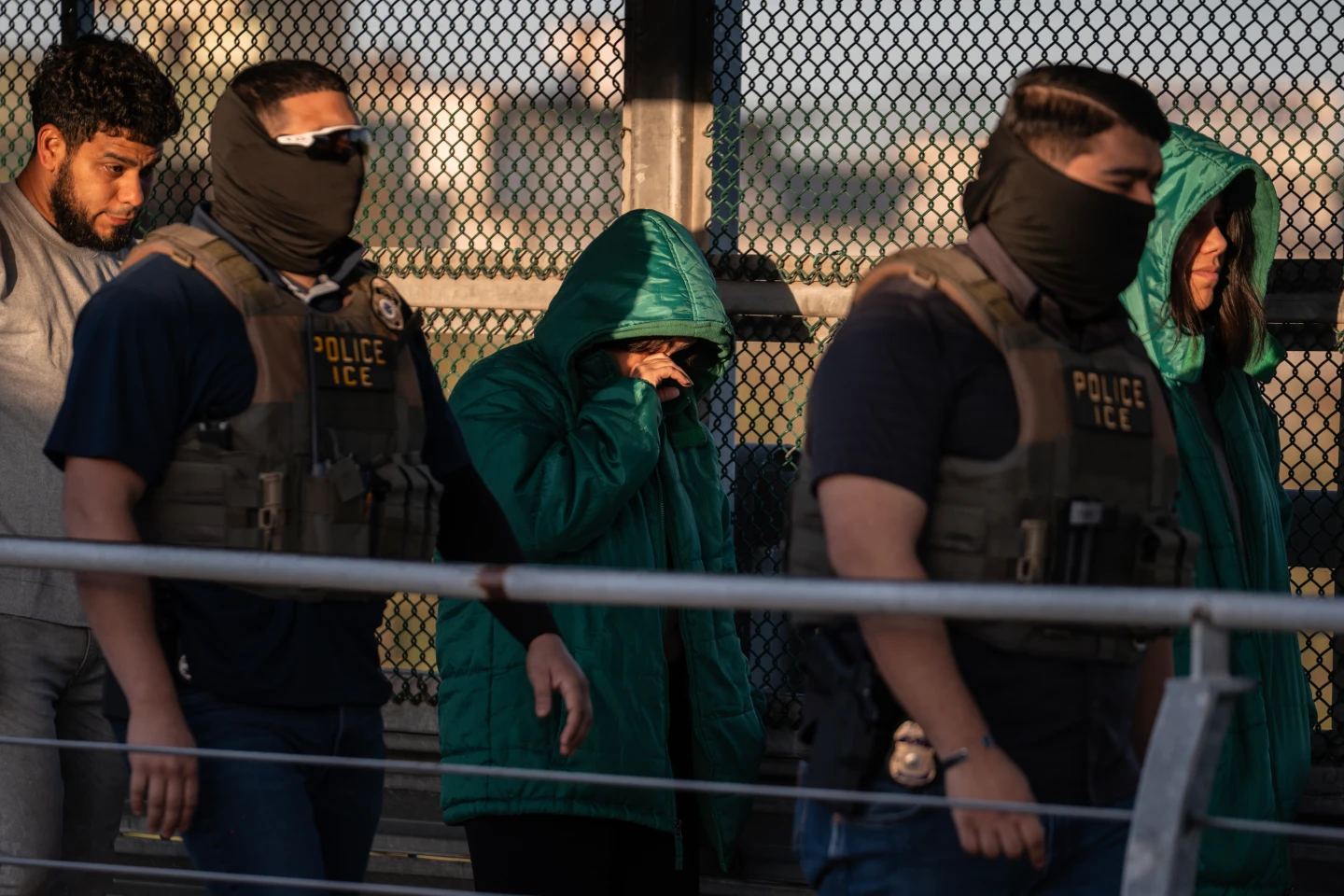
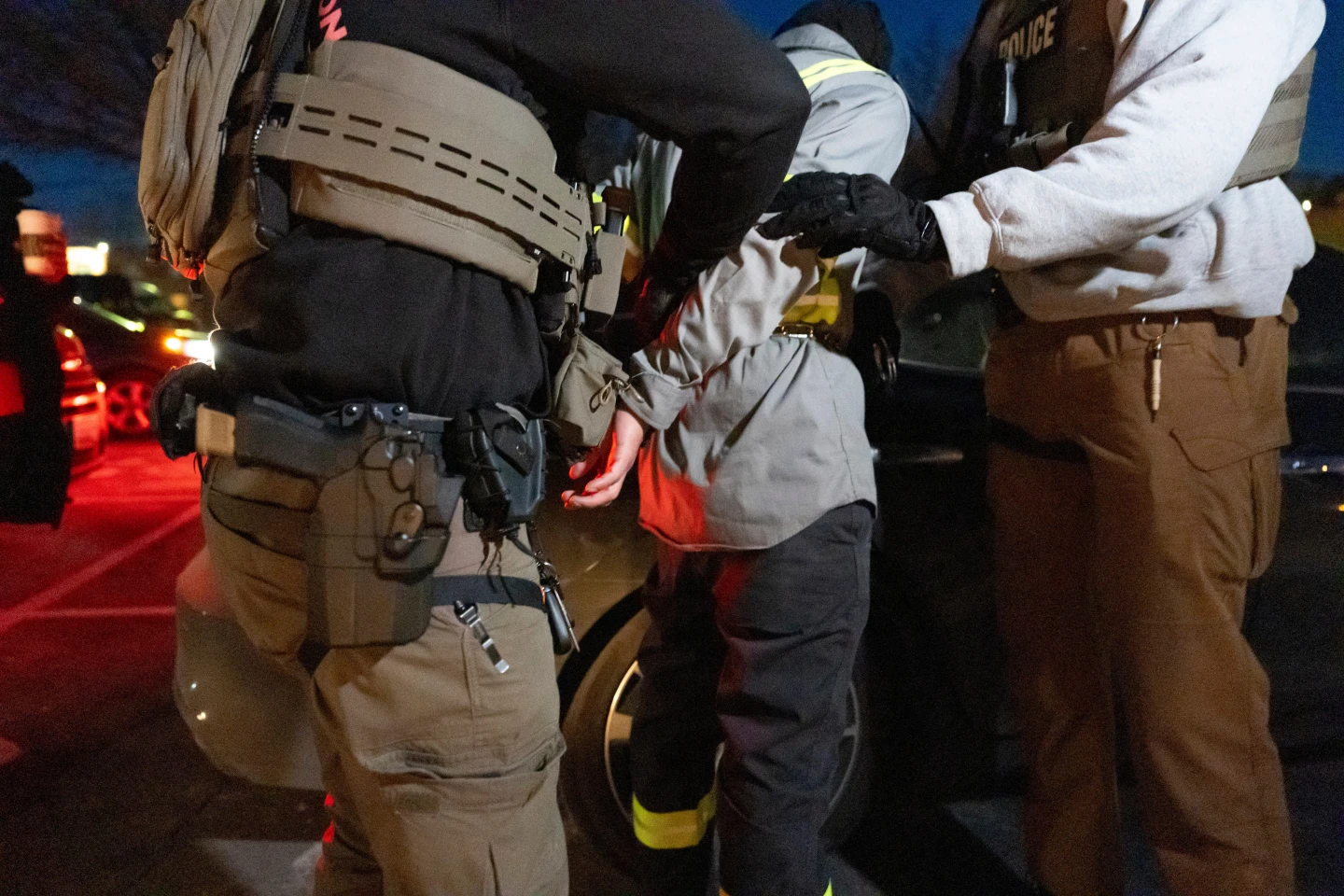
Among the changes Democrats are seeking are requirements that federal agents obtain warrants before making arrests and clearer rules governing how they identify themselves.
There are only 53 Republican senators in the 100-member body, meaning that passing the bill will require at least some support from Democratic members.
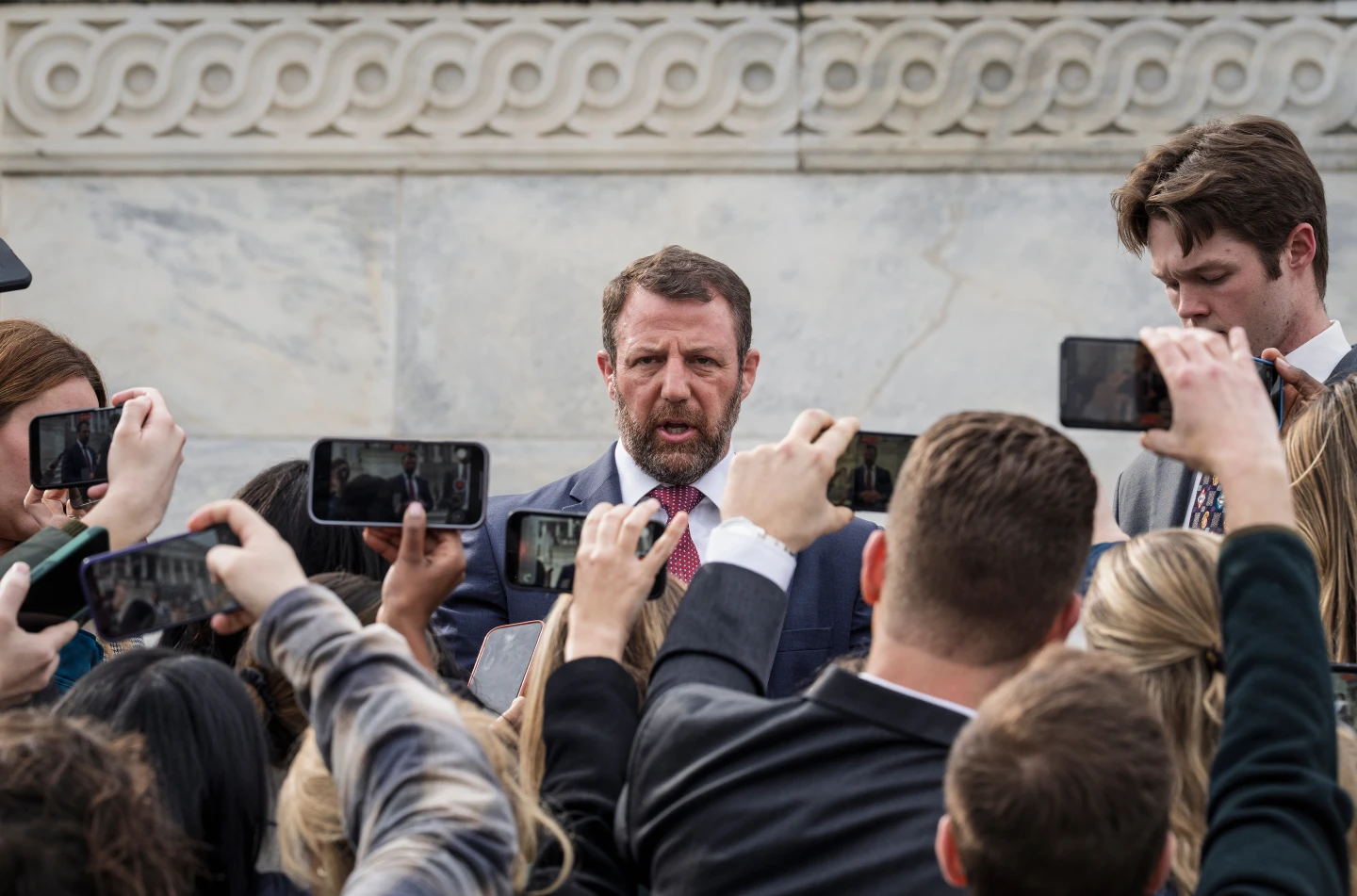
Earlier this week, Senate Minority Leader Chuck Schumer said: I will vote no on any legislation that funds ICE until it is reined in and overhauled, and Senate Democrats are overwhelmingly united on this issue.
Republican Senate Majority Leader John Thune has said that productive negotiations are ongoing. If changes are made, the bill will need to be re-approved by the House, which is currently on recess.
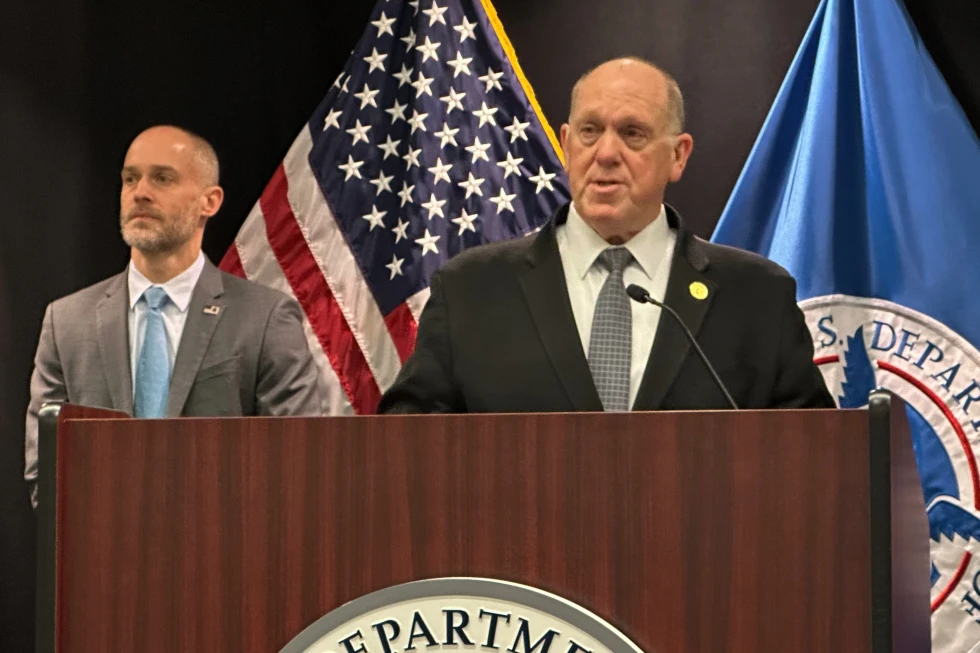
On Wednesday, some Senate Democrats escalated their demands, expressly calling for DHS Secretary Kristi Noem's removal, and structural changes to both Immigration and Customs Enforcement (ICE) and US Border Patrol.
Some Republicans pushed back, with Texas's John Cornyn saying that any changes must not come at the expense of shutting down the government.
What is a 'partial shutdown' and who could be impacted?
The entirety of the US federal government will not be impacted by a shutdown if it does occur this weekend. Already, legislation has been passed to fund dozens of agencies through the end of the 2026 fiscal year.
Those agencies include the justice department, FBI, and Department of Veterans Affairs, which will not be impacted. But other branches included in the same spending bill as DHS, such as the defense department and health services, could face disruptions.
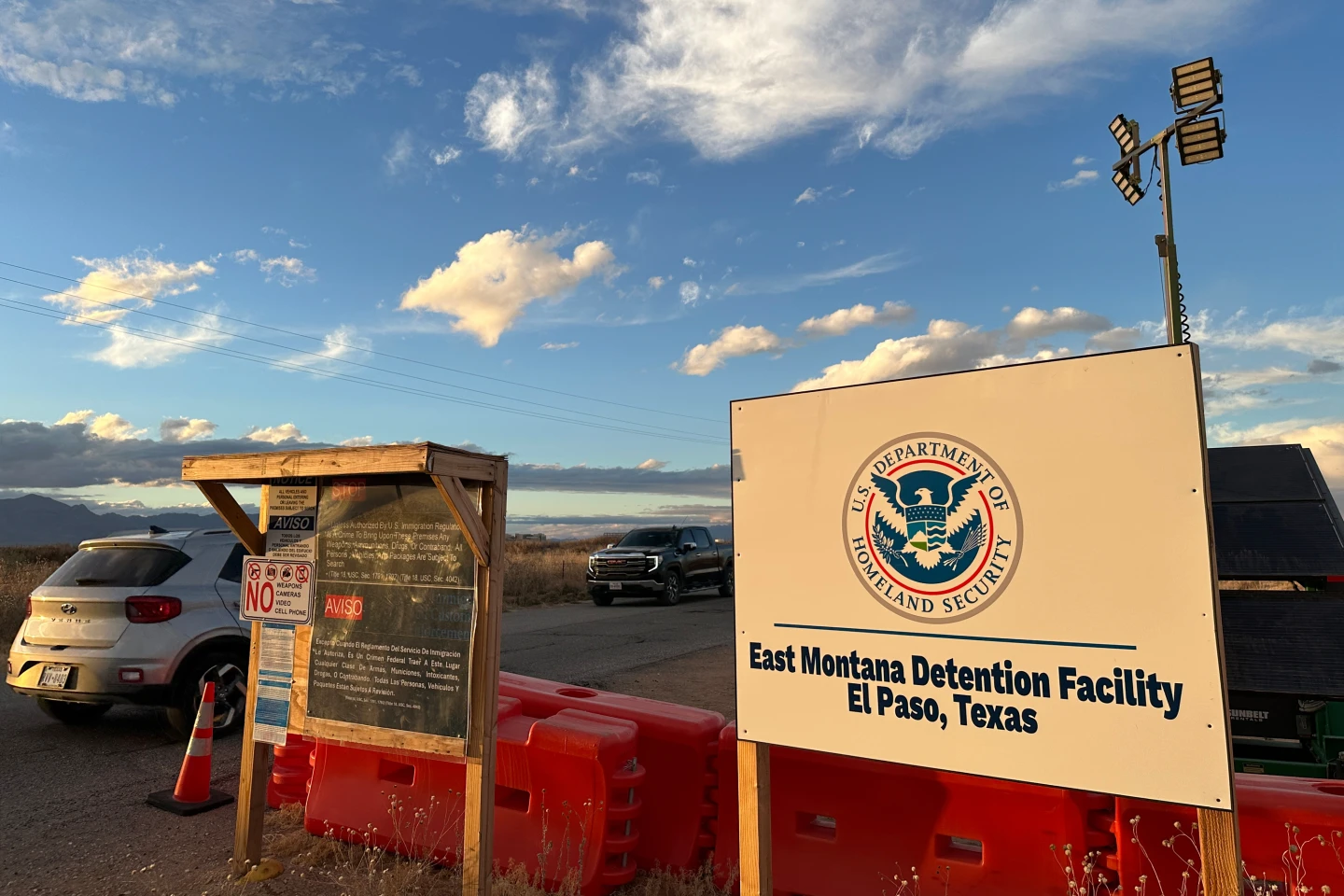
DHS is a sprawling department encompassing multiple agencies, including ICE, the Coast Guard, Secret Service and Customs and Border Protection.
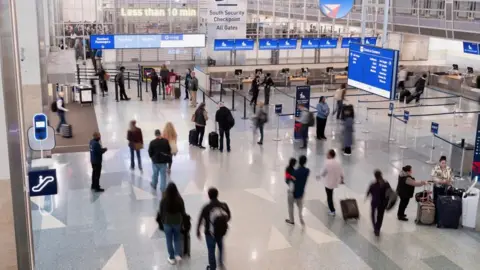
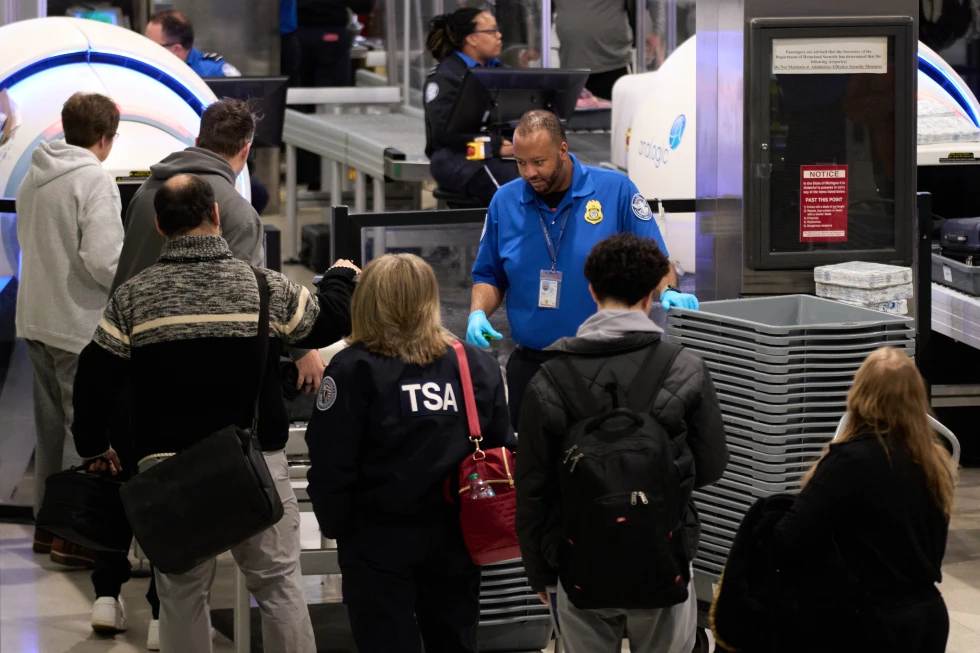
Employees considered essential to the functioning of impacted agencies would continue to work but might not get paid until funding is restored.
How long was the last shutdown?
The most recent shutdown in the latter half of 2025 lasted 43 days, making it the longest in US history.
Democrats had initially refused to support the funding bill, demanding that Republicans agree to extend health insurance subsidies for low-income Americans set to expire at the end of the year.
Eventually, eight Democrats broke with their party colleagues to pass the bill. This shutdown left around 1.4 million federal employees on unpaid leave and severely disrupted air travel across the US.