In brief
Chapal Bhaduri, known as the 'queen' of jatra, left an indelible mark on Bengal's theatre scene as male actors impersonating women. In a world where such performances faced stigma, Bhaduri's artistry flourished, but he later experienced the decline of jatra as society shifted. His legacy, now revisited through writer Sandip Roy's book, challenges notions of gender, acceptance, and memory within the performing arts.
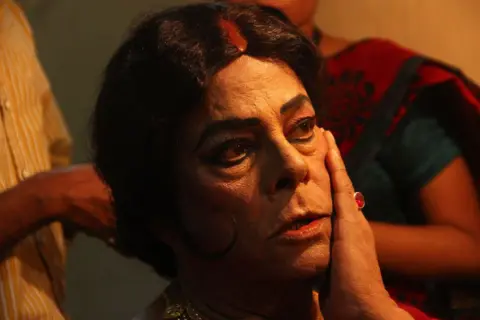
In mid-20th Century Bengal, some of the biggest female stars on stage were men. Chapal Bhaduri, revered as Chapal Rani, became the 'queen' of jatra, a traditional travelling theatre that captivated large audiences. Male actors portraying female roles formed a well-known trope in global theatres, yet in Bengal, jatra stood out with its rich storytelling and vibrant performances. Bhaduri's devotion to the craft allowed him to embody various female characters authentically—a journey documented in the new book, *Chapal Rani: The Last Queen of Bengal*, by Sandip Roy.In an era when female representation in theatre began shifting, Bhaduri's nuanced performances and intricate costumes stood apart; he navigated societal stigma while delivering heartfelt portrayals of women in a beloved art form. His life offstage was complex, as he grappled with identity and public perception within a conservative society. Despite fame, Bhaduri faced significant challenges as theatre evolved, with female performers gaining prominence.Now living in a retirement facility, Bhaduri's legacy remains poignant, exemplifying a blend of artistry and identity that resonates with modern discussions about gender fluidity. The emergence of Roy’s book seeks to preserve Bhaduri's story and interrogate the dynamics of memory in a world that often overlooks the contributions of such boundary-defying artists.