In brief
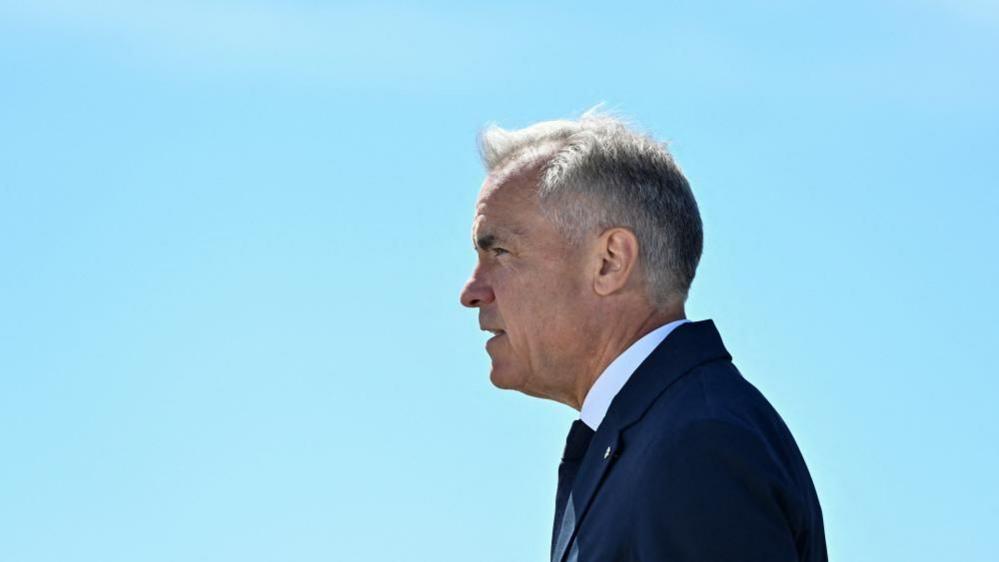
Prime Minister Mark Carney halted trade negotiations with President Donald Trump, rejecting last‑minute U.S. demands that Canada saw as unfair and untenable. His decision to retaliate by imposing fresh tariffs marks Canada’s first serious break from the Trump administration. The move risks aggravating the economic strain on Canadian businesses, especially in the auto and export sectors, and forces Ottawa to rally provincial leaders and the public around a hard‑line stance. With a leveraged 70% of its trade coming from the United States, Canada now faces significant losses—and the decision will reshape future trade talks, including the renegotiation of the US‑Mexico‑Canada pact.
Mark Carney, Canada’s new prime minister, has decided to abandon negotiations with President Donald Trump, citing the United States’ revised tariff demands as unfair and destabilising. The decision follows a series of last‑minute changes from the White House, pushing Canada into a de facto trade war that threatens to hit exporters, the auto sector and the hospitality industry hard. In a statement released on Saturday, Carney said Canada stood firm against the “miscalculation” of fresh U.S. duties, accusing Washington of a power play aimed at dividing the North American economic bloc. He framed the move as a confidence‑boosting step for Canada and urged Canadians to recognise that the dispute was not their choice. The tariff dispute has already cost significant trade volumes. Canadian exports to the United States now account for roughly 70% of Canada’s total. American wine and spirits imports have suffered 78% and 70% falls, respectively, following provincial bans on U.S. alcohol. The measures have splintered the nation, placing provinces such as Ontario, Michigan and Kentucky under financial pressure. Carney’s withdrawal from talks comes at a turning point when the U.S. and Canada had been close to striking a deal. The proposed agreement would have addressed tariffs on automobiles, industrial equipment and other goods, but the final U.S. offer was seen as “unacceptable” by Ottawa. Canada’s trade commissioners warned the U.S. that the country would not accept sub‑par terms, insisting on reciprocal fairness. Opinion polls capture a divide among Canadians. A recent Abacus Data survey found that roughly 36% of Canadians would back a bid to retaliate against U.S. tariffs, while a Leger poll showed 56% wanting a tougher stance. Many Canadians have already chosen not to travel to the United States, contributing to a loss of about C$3.3 billion in travel revenue for the U.S. last year. The Prime Minister’s own press briefing on Saturday underlined his resolve: “Canada is ready, Canada is strong, Canada is united.” He warned that the current trade tension would not dissolve on its own and that further concessions from the United States would jeopardise the nation’s industrial base. “If you’re at war when you’re attacked,” he said, “we have indeed been attacked.” Provincial leaders have rallied around Ottawa’s stance. British Columbia Premier David Eby pledged support for the “national project”, while Ontario Premier Doug Ford vowed to win the fight. However, Ontario’s increase in automotive manufacturing costs could strain the region’s long‑term competitiveness. The ripple effects of the tariff dispute are already visible. The U.S. Department of Commerce has flagged new demands on Canada’s auto sector as well as suspicious “walk‑backs” on previous commitments. The Distilled Spirits Council of the United States has pointed to continued provincial bans on U.S. spirits as a key catalyst for current tensions. This setback fuels uncertainty about the future scope for trade talks. Carney must now monitor how President Trump responds, while keeping an eye on the impending review of the US‑Mexico‑Canada Agreement. The outcome will determine how Canada negotiates its place in the evolving global trade landscape and whether it can secure a fair deal without compromising its domestic economic stability.