In brief
A series of negotiations held in Washington this week brought Canada and the United States close to a new trade agreement, with President Donald Trump and Prime Minister Mark Carney publicly lauding the progress. The US trade representative hinted that the deal will secure benefits for American farmers and manufacturers, while Canadian officials say it will lock in favourable terms for key industries. Although the partnership has paused a planned wave of tariffs, the precise concessions and still‑unresolved points remain unclear. Both sides plan to brief Congress and stakeholders in the coming days as they finalise the paperwork. The agreement could restore tariff‑free flows that were set under the USMCA while addressing lingering trade irritants.
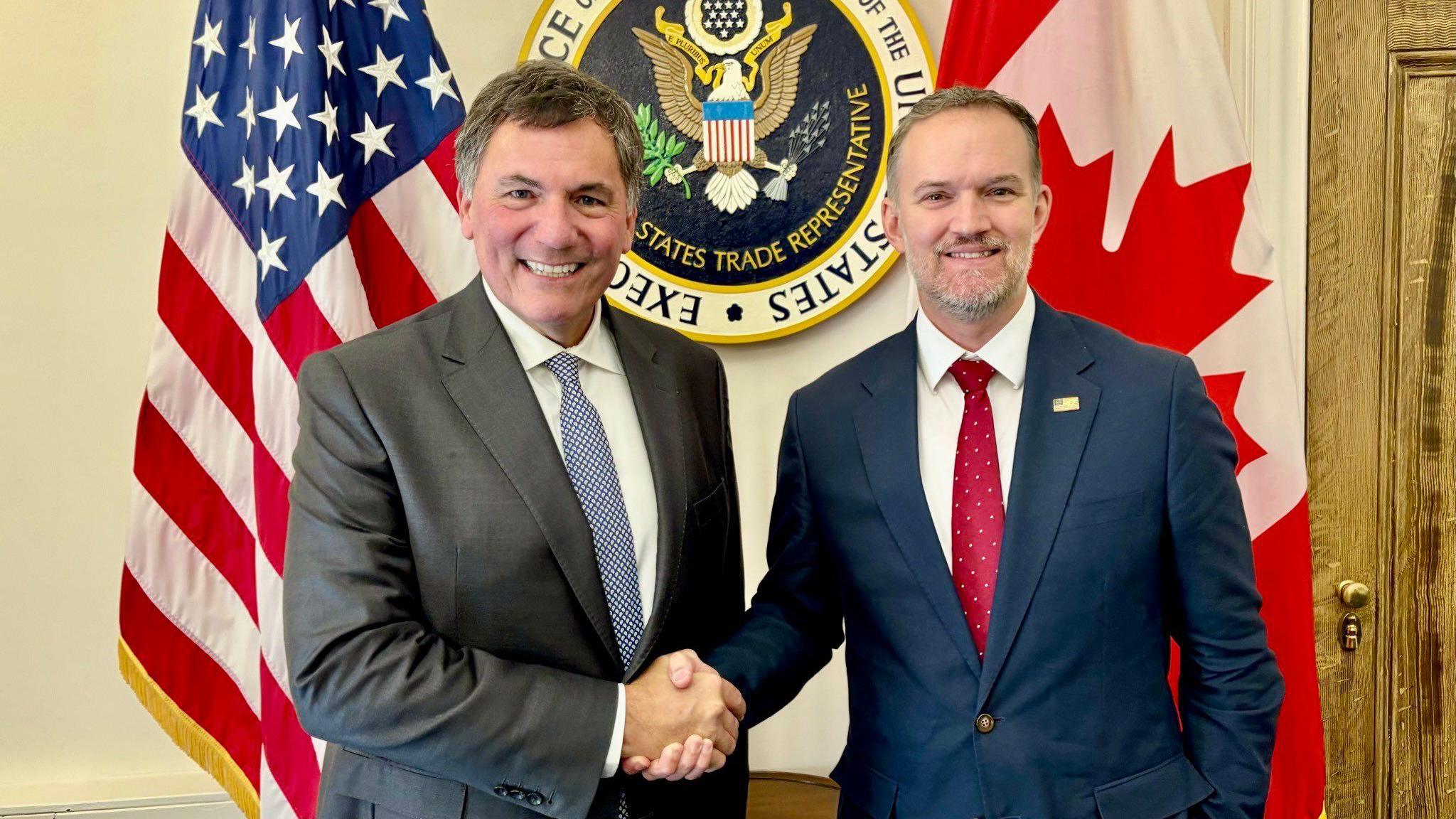
A series of nine‑hour sessions in Washington over three days has brought Canada and the United States to the brink of a new trade pact, according to trade officials. President Donald Trump and Canadian Prime Minister Mark Carney publicly extended praise for the "progress" made, with Carney warning that the deal would secure the best terms for Canada’s strategic sectors and provide certainty for a future trading relationship.
Trump, addressing reporters after a 45‑minute meeting with Canadian trade minister Dominic LeBlanc, said the proposed agreement would be welcome for US farmers and manufacturers. He added that the U.S. will soon brief Congress and stakeholders on the specific details. In particular, he indicated that Canada has agreed, at least in part, to eliminate tariffs on certain agricultural products, although the exact sectors remain unspecified.
The United States has requested several concessions from Canada, including the removal of remaining retro‑active tariffs on American automobiles and a relaxation of the dairy supply‑management system that sets quotas, prices and import limits. The Biden administration also wants the ban on U.S. alcohol sales—imposed by most Canadian provinces in response to trade tensions—lifted.
Canada’s diplomatic mission in Washington, which has been in standoffs for more than a week, successfully averted a planned 50% jump in tariffs that the Trump administration had threatened to enforce. The pauses on these tariffs came as the U.S. Treasury and other agencies reviewed the terms discussed during the talks.
Business leaders from both sides have urged for a prompt settlement, noting that additional tariffs would harm exporters on both sides of the border. Messrs. Darby, president of Canadian Manufacturers and Exporters, said he was optimistic that a finalised agreement was on the horizon and that it could pave the way for a return to USMCA‑style tariff‑free trade.
The deal is still in its final stages and many Canadian citizens remain skeptical of any concessions that might undermine domestic industries. A recent poll showed 56% of Canadians would oppose making significant compromises.
If the trade agreement comes into effect, it would shore up key economic links under the USMCA and help to navigate a complex web of import restrictions, tariffs and supply‑chain disruptions that have plagued the North American market since early 2026.