In brief
During a rental rip-off hearing held in the Bronx, tenants shared their disturbing experiences regarding poor living conditions in their apartments. Issues such as noxious mold exacerbating health problems, pest infestations, and inadequate landlord responses dominated the discussions. Many tenants expressed frustration over the lack of accountability from landlords often shielded by corporate structures. Mayor Zohran Mamdani vowed to address these issues, emphasizing the need for transparency in landlord identities to effectively tackle housing problems in New York City.
NEW YORK (AP) — On a recent weeknight, three tenants of an aging Bronx building were trading apartment horror stories inside a packed ballroom lined with city bureaucrats.
The occasion was the third in a series of rental rip-off hearings, a new forum launched by New York Mayor Zohran Mamdani for disgruntled renters to air their complaints directly to housing officials — and in some cases, the mayor himself.
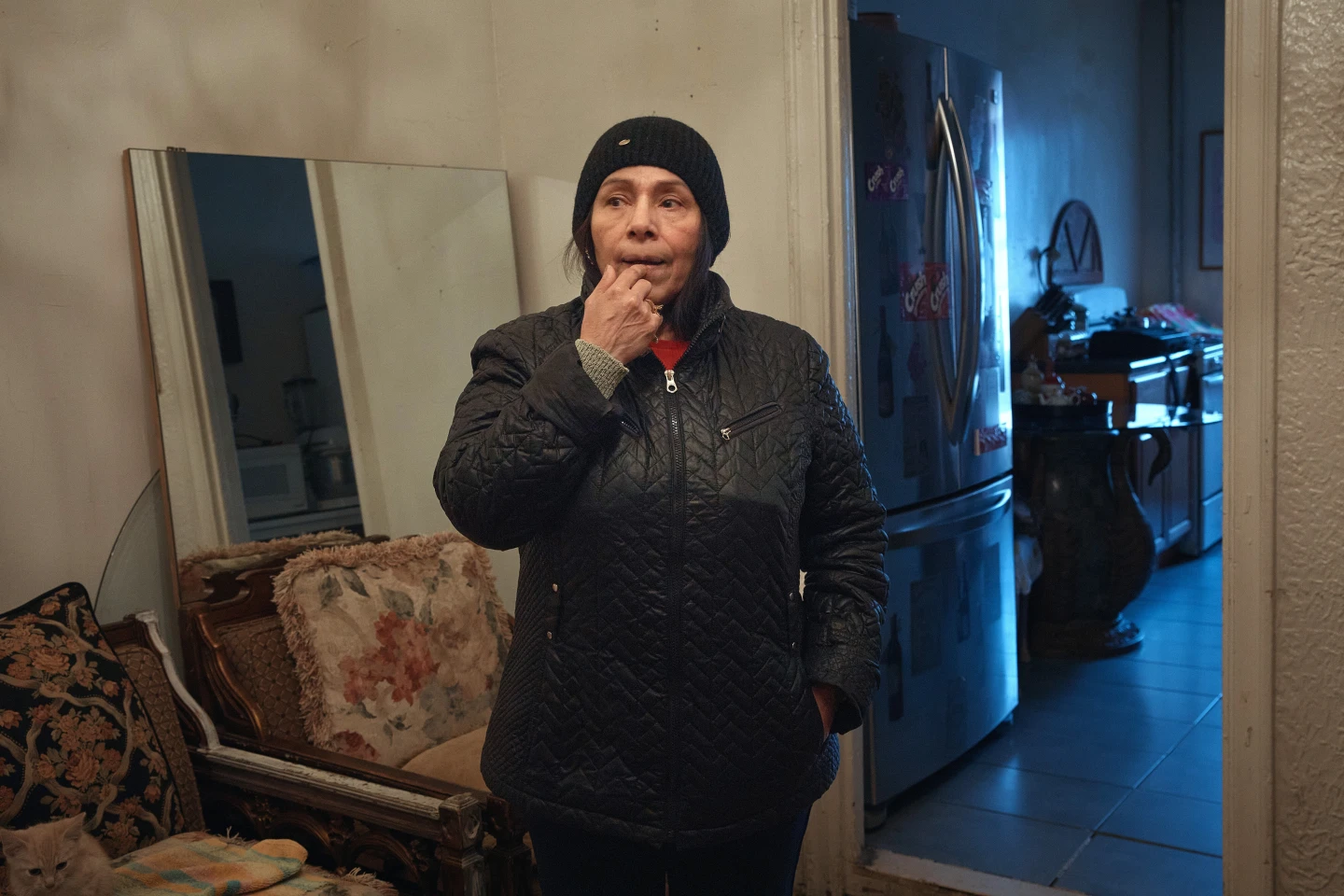
As she waited in line, Gulhayo Yuldosheva expressed concern that noxious mold in her apartment was worsening her child’s asthma. Meanwhile, her downstairs neighbor, Marina Quiroz, was showing a video of rats scurrying through her kitchen to a representative of the city’s tenant protection office.
Ann Maitin, a longtime resident of the same building, had just met with the mayor, who listened to her detailed grievances.
He let me go over my three minutes, she said, holding up a spiral notebook filled with complaints.
Mamdani, who was elected on a platform of tenant advocacy, described the event as a space for renters to share their stories, reassuring the crowd that their accounts would help hold landlords accountable.
Residents of 705 Gerard Avenue voiced their frustrations, noting that no one seemed to know the actual owner of their building, a concern echoed by Maitin, a retired Verizon technician who recently organized a tenant association.
The opaque ownership structure of rental properties, made possible by the use of limited liability companies (LLCs), complicates efforts to address housing issues as corporate landlords grow more prevalent in New York City.
There are these big slumlords that everyone knows are doing predatory investment, but pinning them down is going to be difficult, for the LLC reason, explained Oksana Mironova, housing policy analyst.
Additionally, tenants expressed hardships stemming from ongoing maintenance issues. Problems like heat and hot water outages were frequent, and conditions in common areas were deplorable. Residents like Tommy Rodriguez shared personal accounts of facing physical challenges and delays in receiving assistance for urgent repairs.
Mamdani has proposed strategies to address these systemic issues, including potential city ownership of problematic properties to ensure better management.
While some tenants left feeling hopeful after being heard, the true measure of change remains uncertain as ongoing neglect from landlords persists. Many are now waiting to see if the engagement with officials will translate into actionable improvements in their living conditions.