In brief
UK Prime Minister Keir Starmer's recent visit to China is a pivotal moment aimed at thawing the historically cold relations between the two nations. This visit comes at a time when both leaders are under domestic economic pressures and seeking new trade avenues. Key agreements, including increased investments from British firms like AstraZeneca and enhanced access for UK businesses, signify a cautious yet essential step towards rebuilding economic ties. However, challenges such as complex regulations and diplomatic balancing with the USA remain.
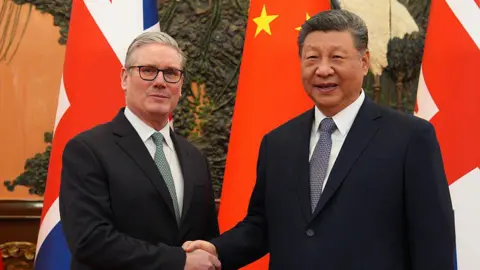
Sir Keir Starmer's visit to China this week is the clearest sign yet the two countries are seeking to end the diplomatic 'ice age' that has defined their relationship. Both leaders face economic pressures at home and are seeking new opportunities for trade and investment.
For Sir Keir, the first UK prime minister to visit China since Theresa May in 2018, the trip was a chance to highlight the strength of British firms in finance, pharmaceuticals, healthcare, clean energy, and car making. President Xi Jinping, meanwhile, aimed to show that China can be a reliable partner for Western economies, especially as US President Trump continues to rattle the global trading system.
Although no sweeping free trade deal was reached, the visit marked a cautious but tangible reset of UK–China economic ties, with agreements on visas, services, healthcare, green technology, and finance. This could lead to better access for British firms in Chinese markets and greater Chinese investment in the UK.
The most notable announcement was AstraZeneca's pledge to invest $15 billion (£11 billion) in China over four years. Additionally, British firm Octopus Energy is entering the Chinese market through a partnership with PCG Power to develop a digital platform for trading electricity, supporting China's renewable energy initiatives.
China has also agreed to halve tariffs on Scotch whisky, which is expected to generate £250 million for the British economy.
The trip has wider implications too, as it underscores China's intention to reinforce its position as a dependable partner despite trade tensions led by the US. Starmer's government views this reset as an opportunity for economic growth at home, though it also poses risks regarding geopolitical balance.