Bowen: Hamas’ Disarm Plan Faces Hurdles but Offers Glimmer of Gaza Exit
Jeremy Bowen, International Editor, BBC
The suggestion that Hamas could disarm in Gaza in return for Israel pulling back 70 percent of its occupied area is a potential turning point, yet the path to such a deal is riddled with practical, political and security setbacks. Bowen argues that the proposal is the most promising route to cease the ongoing violence, but says the stakes are enormous and the conditions of the agreement may make it unlikely to materialise.
Why the plan is difficult:
- Israel’s deep security concerns: The Israeli security apparatus demands that Hamas be completely disarmed before it will consider withdrawing. This requires the loss of thousands of senior Hamas leaders who are still in the field.
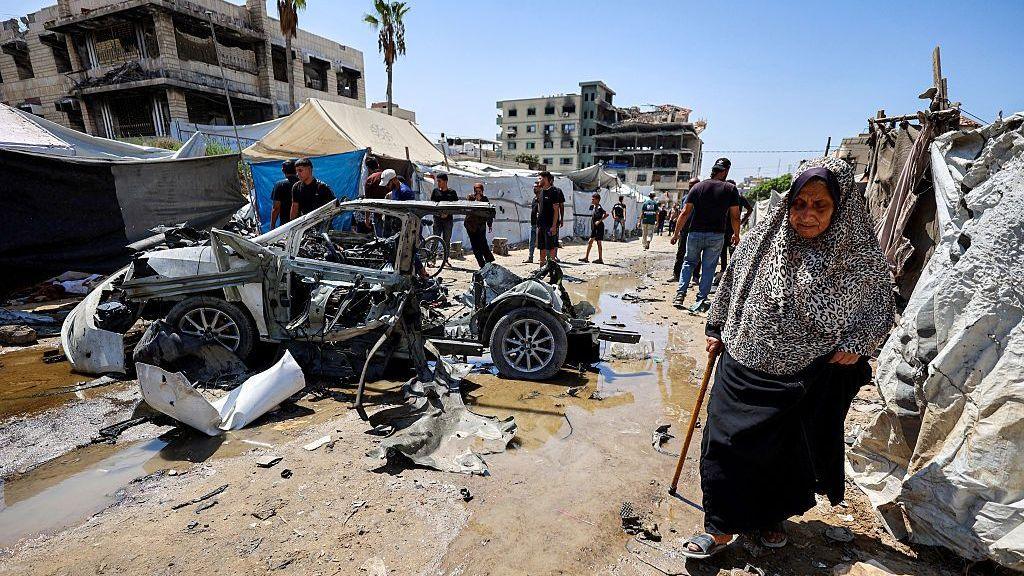
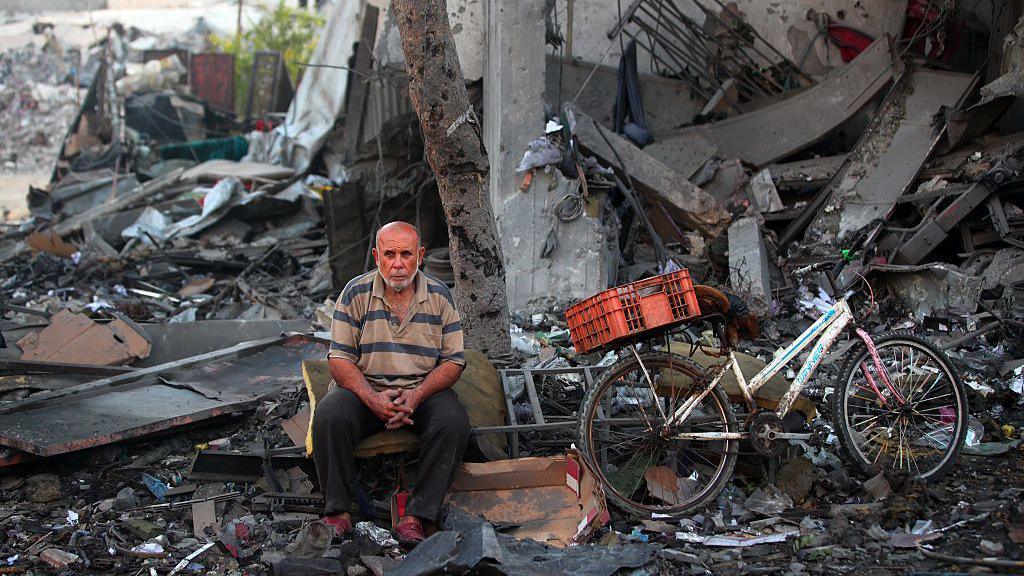
- The humanitarian crisis: Gaza’s 2 million civilians suffer from widespread destruction, food shortages and an overwhelming death toll. This bleak reality makes it hard for a cease‑fire to hold without a robust humanitarian plan.
- Political pressure in Israel: Prime Minister Benjamin Netanyahu faces an upcoming election, a corruption trial and a worried electorate that will not lose face for showing softness on Hamas.
- U.S. political uncertainty: President Donald Trump’s pending decisions about an Iran conflict, mid‑term elections and a possible tilt toward sanctions on Israel add global unpredictability.
Despite these barriers, Bowen says the proposition offers a beacon of hope: a monitored, phased approach can build confidence. “Only a step‑by‑step agreement, starting small and building trust, has a chance of working,” he says.
Hamas’ internal pressure: Israel’s IDF has eliminated many senior fighters and commanders. The group is now focusing on grassroots support and charity, as highlighted in a conversation with BBC correspondent Rushdi Abu Alouf. He notes the organisation’s pivot to “Quran memorisation programmes and charitable activities aimed at children, teenagers and young people.”
Regional dynamics: Egypt and Turkey have mediated the recent liaison that brought newly confirmed Hamas leader Khalil al‑Hayya into the fold of the new framework. Their diplomatic backing is essential for any mutual confidence building.
If the disarm plan succeeds, it would mark the first credible step toward ending the Gaza war. Bowen stresses the need for continued diplomatic engagement and assurance that all parties will honour commitments without sudden shocks that could derail the fragile peace process.
Related topics:
- Israel – Israel
- Hamas – Hamas
- Middle East – Middle East
- Israel‑Gaza war – Israel‑Gaza war