In brief
Eight critically endangered orangutans—three mothers, three daughters and two adult males—have been freed into a western Borneo reserve after rescue operations during the August–September fires. The release signals a win for conservation amid growing climate‑linked disasters. Wildlife officials rescued a total of 46 apes before flames consumed vast forest areas. The event highlights the importance of rapid response and habitat protection for Borneo’s endangered fauna.
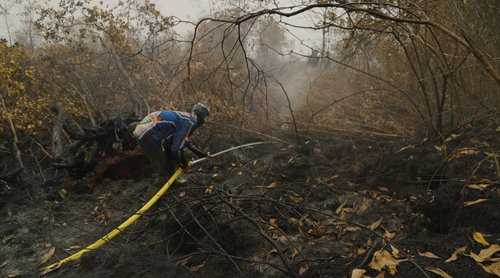
Borneo’s recent wildfire season, which raged through August and September, pushed conservationists to the front lines of a biodiversity crisis. Within the fire‑scoured forests of western Borneo, Indonesian wildlife authorities successfully rescued 46 critically endangered orangutans. Now, on Friday, eight of those rescued apes—three mother‑offspring pairs and two adult males—have been released back into the wild, marking a hopeful milestone in the effort to preserve the island’s last remaining orangutan population.
The release took place in a protected reserve where the rescued animals had been kept in safe, temperature‑controlled enclosures. The government’s rapid mobilization of veterinary teams, transport logistics, and permanent guardians across the rainforest demonstrates the critical link between emergency response and long‑term conservation planning.
Scientists say that continuing to protect and restore Borneo’s forests is essential to prevent future large‑scale disturbances that could imperil the species’ survival. With climate change escalating the frequency of such events, the successful reintroduction of these eight orangutans serves as a tangible example of human stewardship in action. The story underscores that safeguarding biodiversity and rebuilding ecosystems is possible when communities, governments, and conservation groups collaborate swiftly and decisively.