In brief
The Bald Range wildfire exploded across the Summerland and Okanagan‑Similkameen districts of British Columbia, covering more than 36 square miles since its detection Friday. The blaze spread rapidly, doubling in size, and forced the evacuation of all 12 000 residents of Summerland and 8 000 of neighboring Peachland. Power outages and the loss of horse transport shelter complicated evacuation efforts. Authorities described the fire as one of the fastest‑moving and largest in the region in short time. The situation remains uncontrolled as of Saturday morning, with unknown structural damage.
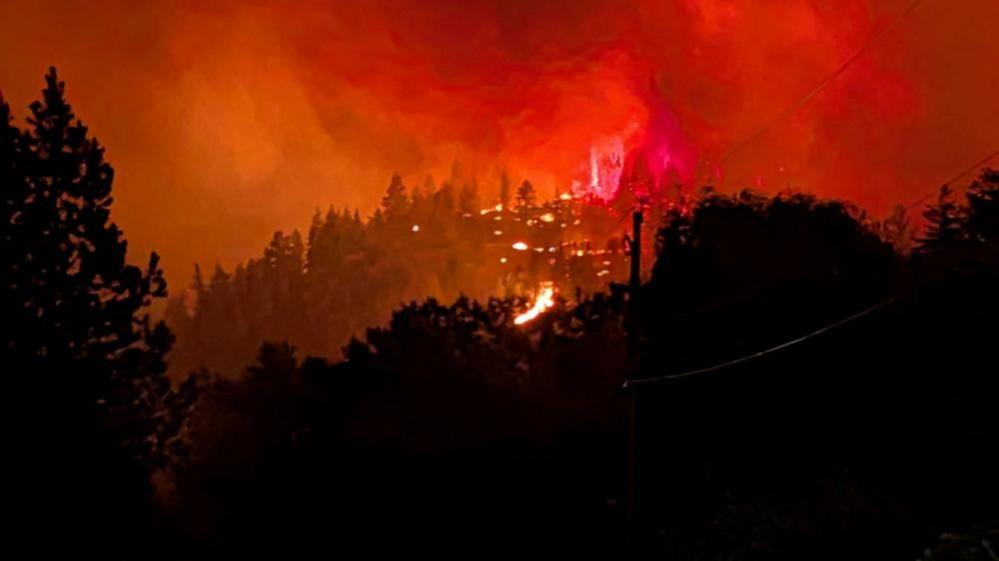
Canadian officials reported the rapid spread of the Bald Range wildfire that has now burned to over 36 square miles (95 km²) across the Summerland and Okanagan‑Similkameen districts of British Columbia.
The fire, first spotted Friday, has been described by emergency officials as one of the quickest‑moving and largest in the region in a very short time.
The rapid expansion forced the evacuation of all sixteen thousand residents of Summerland and Peachland, with power outages also taking effect across the affected towns.
Ground‑level reports show that the blaze remains out of control, and the exact number of structures destroyed is still being assessed.
Residents also faced the challenge of evacuating their horses, leaving gates open or marking animals to aid in later retrieval.
Tests and firefighting crews continue to battle the inferno, with updates from regional agencies indicating increasing intensity of the fire’s spread.
The wildfire underscores the growing risk of forest fires on the West Coast, especially during dry and windy conditions that have become more common in recent years.