In brief
The Hungarian parliament's swift approval of a law prohibiting LGBTQ+ Pride events has led to protests and condemnation from human rights organizations, as many view it as an infringement on personal freedoms and rights.
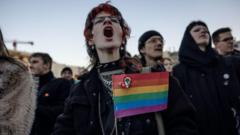
Hungary recently passed a law prohibiting LGBTQ+ Pride marches, resulting in widespread outrage and protests within and outside the country. The ruling Fidesz party, led by Prime Minister Viktor Orban, expedited the legislation following its submission, with Orban asserting the necessity of protecting children from "woke ideology." Pride marches, held in Hungary for three decades, faced immediate pushback as opposition lawmakers ignited flares during the vote, prompting demonstrators to block Budapest's Margaret Bridge in protest. Critics, including the EU’s equality commissioner, argue this legal move undermines human rights, with many asserting that it falsely masquerades as child protection. The new law now prohibits gatherings that contradict previous anti-LGBTQ+ legislation, exposing organizers and participants to potential fines up to 500 euros. In essence, it alters the right of assembly, allowing only events deemed compliant with child welfare criteria. Protesters chanted slogans emphasizing their right to assemble peacefully, while LGBTQ+ advocates expressed their determination to proceed with Budapest's 30th Pride march on June 28. They have denounced the ruling as authoritarian, emphasizing the fundamental rights to unity and expression that are being undermined. As Orban's government continues to face scrutiny over its increasing conservatism and attacks on dissent, observers are noting shifting political sentiments in Hungary, with the rise of the Tisza party, which advocates for a reformed relationship with the European Union and a more moderate approach to governance.