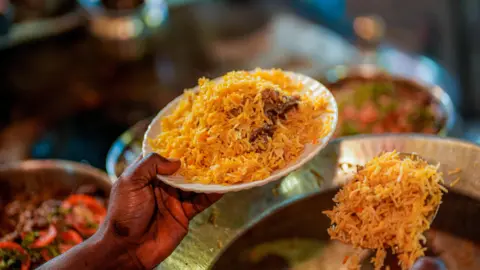
Historically originating from coastal regions, attiéké holds a place in everyday meals for many, being served at various community and family events. Beyond its delicious taste, the dish represents a source of income and empowerment, especially for women who traditionally produce it. The intricate process of making attiéké involves peeling, grating, fermenting, pressing, and steaming cassava, a skill passed down through generations, reinforcing its role as a cultural emblem of the nation.
The inclusion of attiéké in UNESCO's registry aims to protect and sustain traditional heritage practices, advocating for their preservation amid globalization. The recognition is particularly poignant given recent controversies, including dissatisfaction around foreign competitors being awarded for local dishes, highlighting the importance of cultural heritage ownership.
In a move to protect the integrity of attiéké, the African Regional Intellectual Property Organization issued a collective trademark, ensuring that only cassava produced in Ivory Coast can be marketed under that name, much like the regulations around champagne production in France. This initiative underlines the cultural importance of attiéké, asserting its status not just as food, but as a pillar of Ivorian identity.
The inclusion of attiéké in UNESCO's registry aims to protect and sustain traditional heritage practices, advocating for their preservation amid globalization. The recognition is particularly poignant given recent controversies, including dissatisfaction around foreign competitors being awarded for local dishes, highlighting the importance of cultural heritage ownership.
In a move to protect the integrity of attiéké, the African Regional Intellectual Property Organization issued a collective trademark, ensuring that only cassava produced in Ivory Coast can be marketed under that name, much like the regulations around champagne production in France. This initiative underlines the cultural importance of attiéké, asserting its status not just as food, but as a pillar of Ivorian identity.