In brief
As the US withdraws funding that has supported South Africa's HIV-AIDS efforts, health officials express concerns about the impact on treatment, testing, and prevention services. Over 13% of South Africans live with HIV, highlighting the urgent need for sustained support to maintain the progress made in combating the disease. Local leaders seek alternative funding sources but emphasize that the void left by the US is substantial.
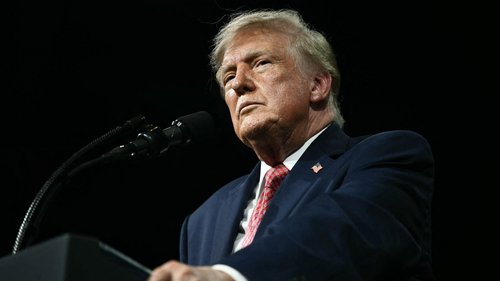
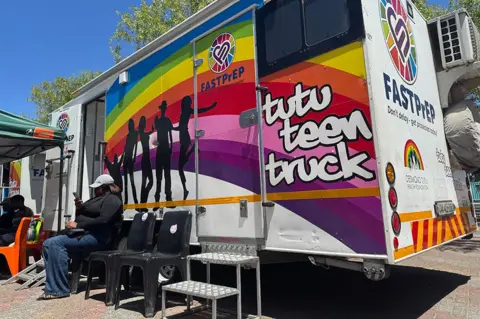
The impact of a flourish of the US president's pen in Washington a year ago continues to be felt on individual lives some 13,000km (8,000 miles) away in South Africa. There was a collective gulp among some in the health sector here when, hours after he was inaugurated, President Donald Trump signed an executive order freezing US aid commitments. For South Africa, that meant the potential loss of an estimated $400 million (£295 million) that the US contributed each year to the country's HIV programs – representing about a fifth of what it was spending on the issue. Last year, the government provided $46 million in response to the US decision - just 11.5% of what was lost.The US also agreed to a 'bridge plan' of $115 million that will last until the end of March in place of regular funding from the US President's Emergency Fund for Aids Relief (Pepfar). Since being set up by President George W Bush in 2003, the US government has invested over $110 billion in the global HIV-AIDS response through Pepfar, saving 26 million lives, according to the state department. Many of those lives were in South Africa, where around 13% of the population are living with HIV, making it the country with the largest number of HIV-positive people in the world.Enormous advances in treatment and prevention over the decades have ensured many are alive who would not be otherwise but these are expensive and the loss of funding could put many at risk. Prof Linda-Gail Bekker, the head and co-founder of the Desmond Tutu Health Foundation and one of the world's top HIV researchers, states there is no doubt that there has been a reduction in testing and gaps in services. With 40% of her funding - around $8 million - coming from the US government, she emphasizes the significance of this financial support for essential last-mile activities, such as finding individuals who have not come in for care.The mobile clinics funded by these efforts stand as a crucial lifeline for many South Africans who might avoid conventional services. Esethu, a 28-year-old client, highlights that mobile clinics are vital, particularly for young people, as they provide relatable healthcare support in a more welcoming environment than traditional clinics. Health Minister Dr. Aaron Motsoaledi expresses hope that his government will announce more HIV funding in its next budget, while also working with other donors to fill the gap left by the US.The urgency of the situation is reflected in the rollout of new preventative treatments, such as Lenacapavir, and health officials warn that the country must reach and continue providing these resources to millions of South Africans to prevent a rise in new infections. Despite efforts to seek alternative funding sources, health experts are concerned that the full impact of US aid cuts is still unfolding- with potentially dangerous implications for the future of HIV prevention and treatment in South Africa.