In brief
Israeli authorities aim to annex hundreds of acres of Palestinian olive fields in Sebastia to create a new national park, sparking accusations of using archaeology as a pre‑text for land seizure. Local landowners, including Abu Mudif, refuse compensation, citing the loss of ancestral heritage. UNESCO has upgraded Sebastia’s status to a World Heritage Site in Danger, highlighting the urgency for protection. Israeli lawmakers propose a bill to broaden control over archaeological sites, raising fears of further dispossession.
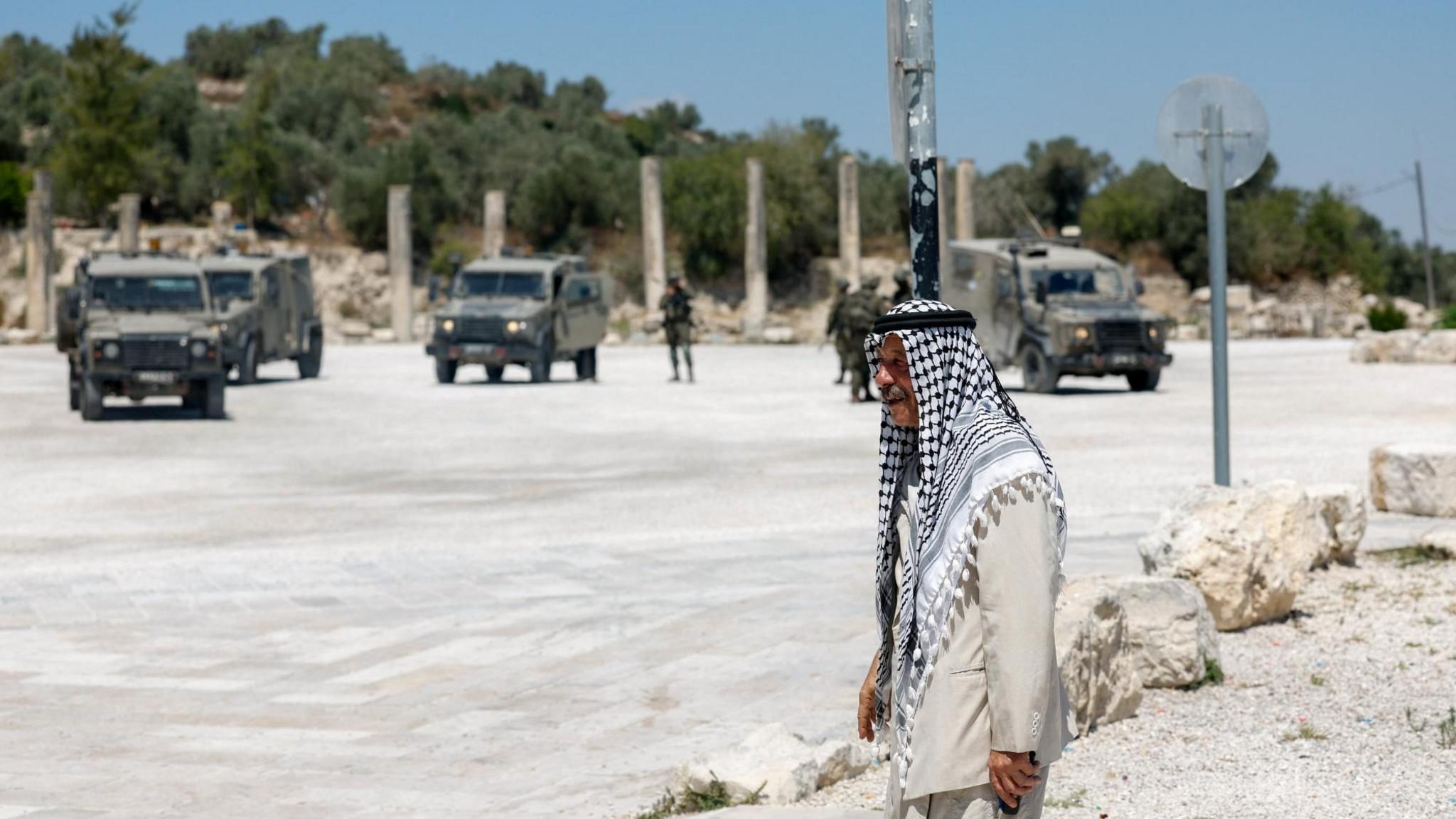
Israeli authorities have announced a plan to take possession of about 450 acres of olive‑field land surrounding the ancient Sebastia site, which would allow the creation of a “national park” that would supposedly preserve the historic core of the 1,200‑year‑old Roman town. The move follows a UNESCO designation of Sebastia as a World Heritage Site in Danger, emphasising the need for a balanced stewardship between Palestinian residents and heritage preservation. Abu Mudif, a local olive farmer, says the decision strips him of his most vital source of income and, more importantly, of a sense of belonging that ties generations to the hills. “If I wanted to describe it, the closest description I can give is that it is like having your soul ripped away,” he tells reporters in a quiet but forceful tone.
Not all local residents welcome the claim that the land will be dominated by “park” tourism. Nader Sakha, owner of a small restaurant, warns that the new Israeli plan could see the demolition of his building as a stepping stone toward cutting the village from the ruins, which host layers of Jewish, Roman, Crusader and Ottoman architecture. The proposal would basically move the entrance to the monuments away from the community, isolating them in an area that would be under full Israeli control. Such a division would effectively transform the site into a voucher for settlement expansion, with the Palestinians’ future use of the land and its heritage severely restricted.
In a broader critique, archaeologist Alon Arad—frequently celebrating the region’s “shared memory”—worries that the entire law proposal is a weaponised mechanism: “We use archaeology to rewrite history and to reallocate lands from Palestinians to Israelis.” His alarm echoes a wider controversy in the West Bank, where sizable Jewish communities have been established on lands that the international community views as part of the Palestinian Territories. The “heritage” discourse has become a tool of political shortcut: to lay claim to an area without overt settlement or making the fact less visible to the international eye. Local and international voices both urge a more transparent, inclusive approach that respects the historical connection of the Palestinian people while encouraging conservation.
The Israeli bill, still in debate, would shift the control of archaeological sites from the Civil Administration to the Heritage Ministry, effectively expanding the State’s power to seize land for “preservation.” With elections looming, support for the bill is uncertain, but the stakes remain high: the future cultural identity and land rights of Palestinian communities that have lived in Sebastia for decades. The clash in Sebastia echoes a larger struggle—whether archaeology is a tool of heritage or a strategic instrument in the power tug‑of‑war that defines the region’s future.