In brief
Tirana's streets turned into a battlefield as masked students and civil‑society activists threw rocks, petrol bombs and fireworks at riot police. The police responded with tear gas, water cannons and, for the first time, rubber bullets. The protests, sparked in June over alleged corruption linked to Prime Minister Edi Rama, have now broadened into a national call for his resignation and a European Union membership review. Both sides report dozens of injuries and hundreds of arrests, as Albania’s political future hangs in the balance.
The city centre of Tirana erupted on Saturday morning as masked student demonstrators and civil‑society activists launched a new wave of protests that have now lasted five consecutive days.
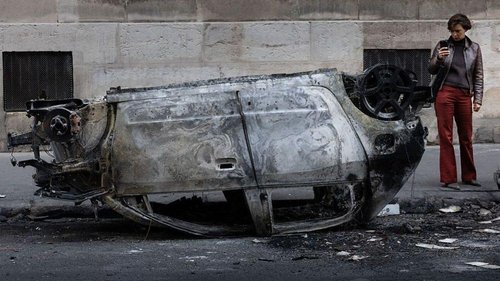
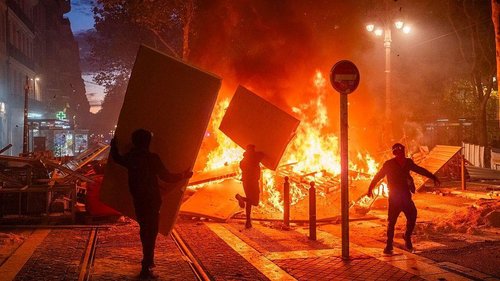
For several hours the streets around the Education Ministry were filled with the clang of rocks, splashes of petrol bombs and the thunderous roar of fireworks, as protesters threw debris at riot police who tried to contain the crowds. In response, police used water cannons, ventilated tear gas and for the first time deployed rubber bullets, forcing many demonstrators to hunker down or flee.
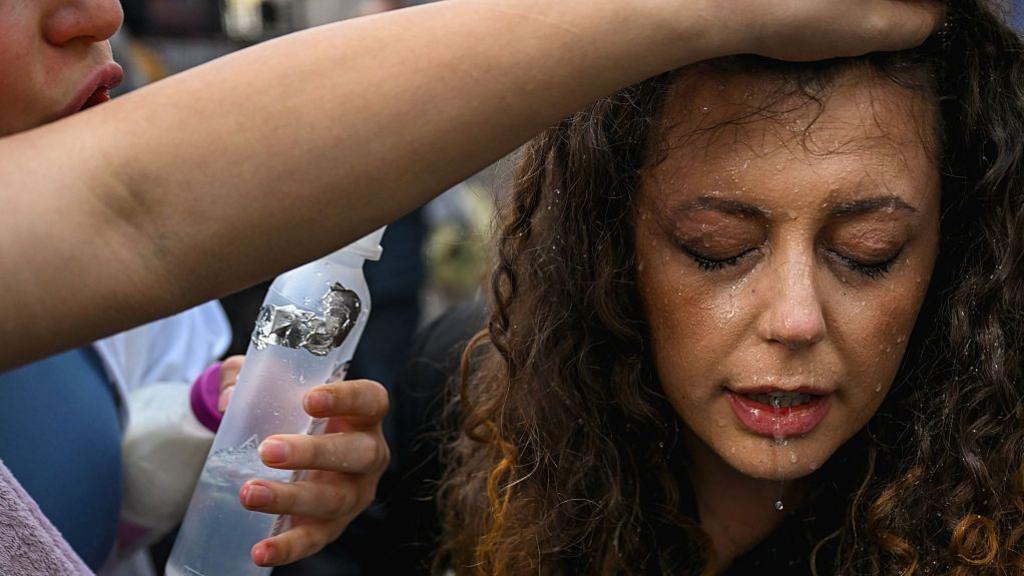
The unrest began in early June as allegations of corruption within the Rama administration – especially those linking the prime minister to businessman Ergys Agasi – spread across the country. Hundreds of students, many of them dampening tear‑gas with saline eye wipes, have signed up to an unprecedented national boycott of universities and public institutions.
In the afternoon the focus shifted to the Prime Minister’s official office on the main boulevard, where the protesters swelled to a larger crowd. Riot police confronted an avalanche of cobblestones, fireworks and even bombs, again throwing tear gas into the faces of the demonstrators. When the haze lifted, the opposition resumed attacks in a continued cycle of violence.
One student, 19‑year‑old George, who works as an electrician to pay for his medical studies, stood near the damaged Education Ministry building with a scarf wrapped around his face. He said, “We had been peaceful for 135 days. Now we try to do what France did – make a revolution. Our government refuses peace, so we use violence.”
The protests have now drawn the attention of the EU and US, which founded a specialised prosecution service in Albania in 2019 to curb corruption. The agency recently arrested the country's former secret‑service chief Vlorë Hyseni on accusations of aiding an alleged corruption network tied to Rama’s circle.
The Socialist Party, led by Rama, still holds a majority in Parliament with 83 of 140 seats, but the escalating unrest threatens the legitimacy of his thirteen‑year‑long rule. The next parliamentary elections are still scheduled for 2029.