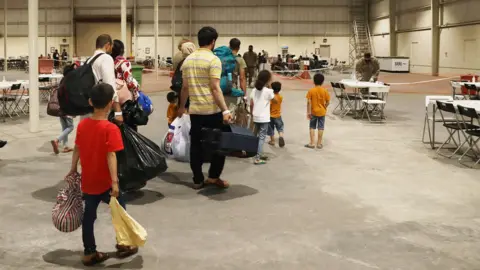
For 18 months, Alia has been waiting in a transit camp in Qatar for her promised resettlement to the US. But now that route appears to have closed for good. Where she and hundreds of other Afghan evacuees will end up next is unknown.
Going back home to Afghanistan is not an option. It is too dangerous, Alia says. And since the US and Israel began a war with Iran, the evacuees are not safe where they are either.
We have been betrayed. Not by the American people, but by those in government who had promised to take us to safety in America, says Alia, who worked as a lawyer in Afghanistan before the Taliban took over the country in 2021.
Alia - whose name has been changed for her safety - is among a group of more than 1,100 people evacuated from Afghanistan by the US who are now stuck in limbo in Camp As-Sayliyah (CAS) in Doha.
The camp – a former US army base – is where thousands of Afghan evacuees have been processed for resettlement to the US under Operation Allies Welcome, which was launched by the Biden administration after the return of the Taliban and the chaotic US withdrawal.
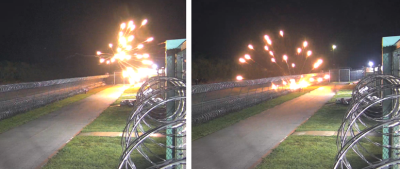
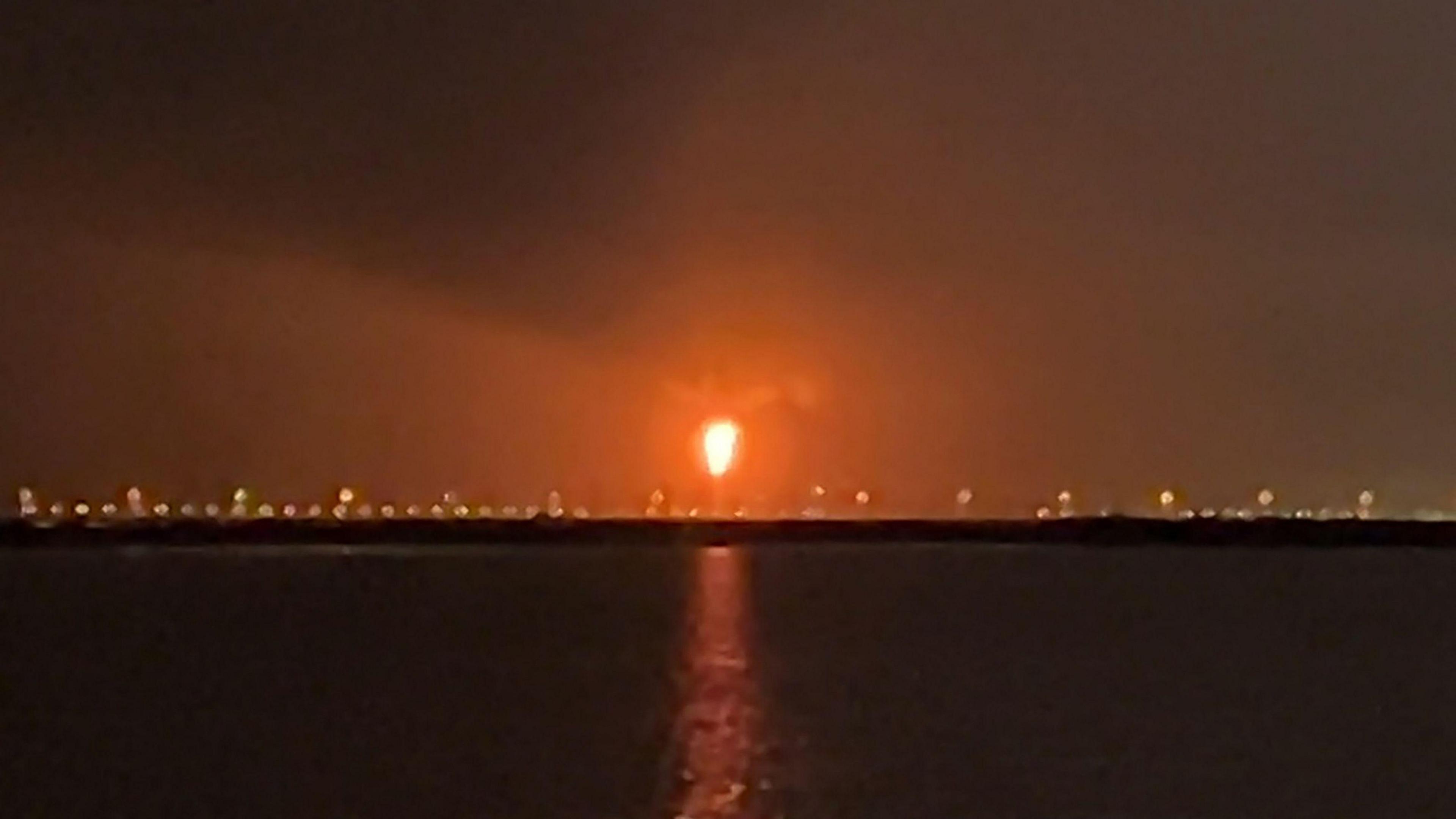
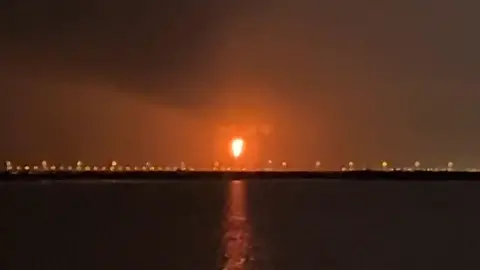
Earlier this year, the Trump administration announced it would close the camp by 31 March and that the evacuees would not be taken to the US, plunging hundreds like Alia into fear and uncertainty. Their anxiety has surged since Qatar started to be hit by Iranian attacks.
The group has collectively sent out this message: The danger is not directed at Qatar itself, the actual targets are American bases in Qatar one of which is us... The emotional situation of children, pregnant women, and the elderly is concerning. People wander about the corridors and cry.
This group of people are not just random refugees that showed up in Qatar. They were brought there by the United States government and told that they would be moving to the United States, says Shawn VanDiver, a US military veteran who runs AfghanEvac, a charity that has helped resettle Afghans who aided the US effort.
Despite claims from the US state department that it is not forcibly returning evacuees to Afghanistan, evacuees have expressed disbelief and fear over the security situation. Alia and Latif, fearing for their lives due to their connections to the US and the Taliban's amnesty announcements, are left in a tortured limbo.
As the US engages in dialogue with third countries for the relocation of evacuees, the uncertainty looms large, with many calling for the resettlement they were promised but remain unfulfilled.