A Luger pistol recovered from Lake Annecy may finally shed light on the 2012 murder of a British family
Fourteen years after the bodies of Saad al‑Hilli, his wife and mother‑in‑law were found dead near the village of Chevaline, French detectives have found a damaged Luger P06 pistol in the waters of Lake Annecy. The weapon could confirm the type of firearm used and help identify the killer.
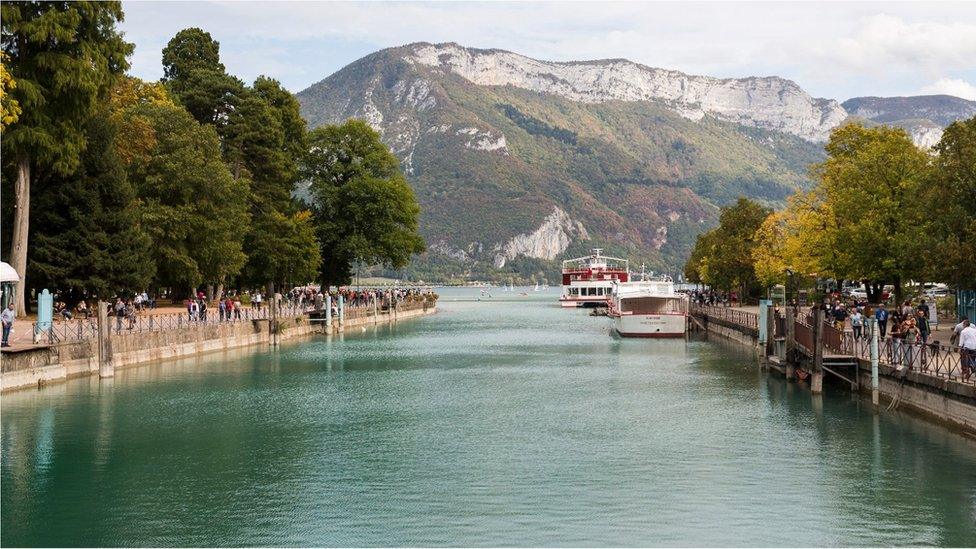
The family had been holidaying in a caravan near the lake’s “Le Solitaire du Lac” campsite. On 5 September 2012, the trio’s bodies were discovered in the front seat of their car, each with a bullet wound to the head, while a passing cyclist also died the same way. The fact that a comparatively rare Luger pistol was used—only about 60,000 of the model P06 were manufactured—suggested that the killer was a collector or a far‑cousin, rather than a professional hitman.
British tourists who were camping nearby on 20 August found a heavy gun‑like object two meters deep in the lake. At first they mistook it for a water pistol, but it was clear from its heft that it was a real rifle. Police are now testing the wrecked object to confirm it is indeed a P06.
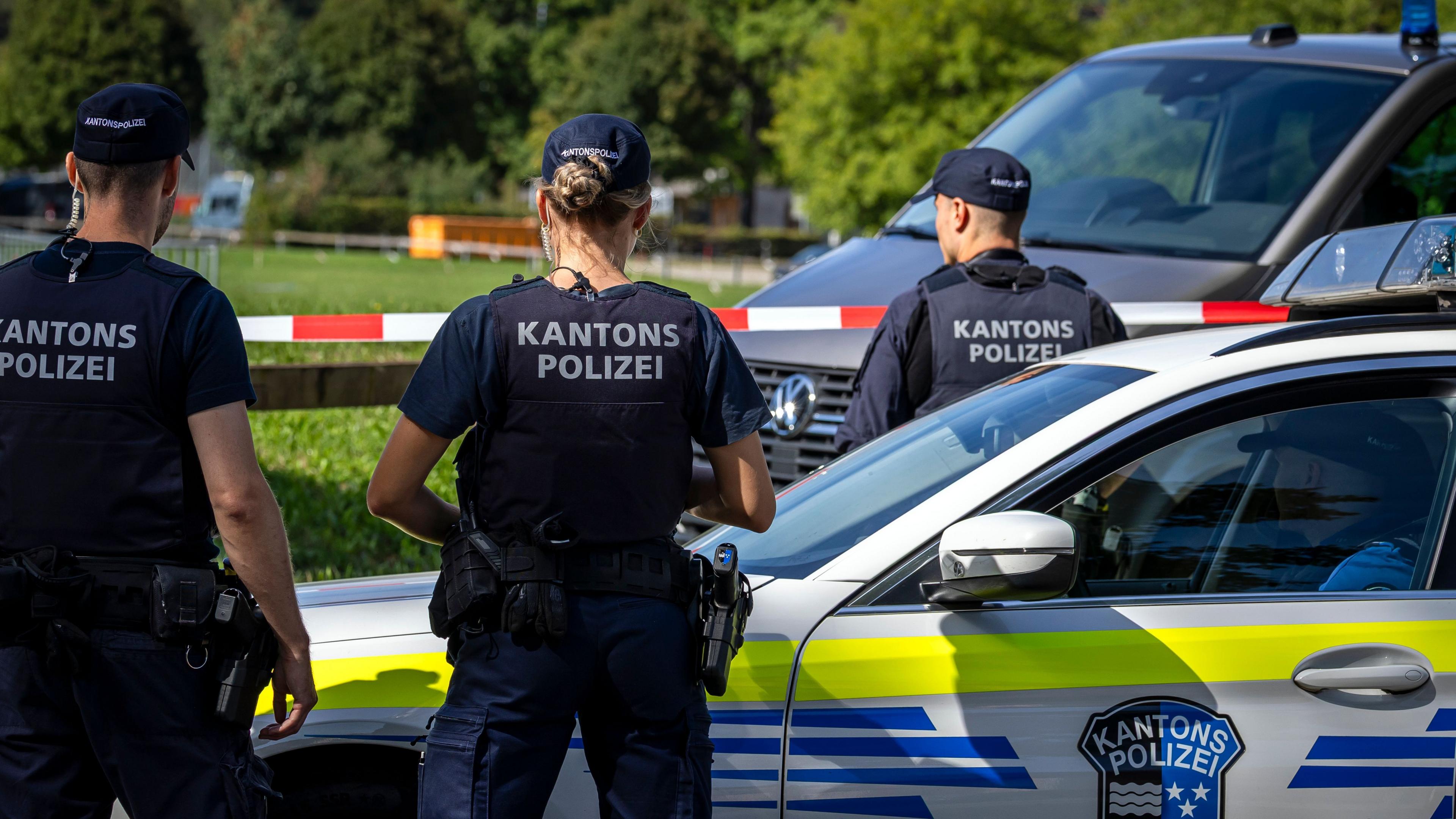
Lake Annecy sits only 50 km from the Swiss border, where the Luger was a standard issue for Swiss Army personnel until the 1960s. Many owners have kept the pistol or its parts as family mementos across the border, and the vehicle in this case could have easily come from that region.
Investigators have at one time speculated that the murders were a dispute over family money, a crime committed by a madman, or even that the cyclist—unarmed and unsuspecting—was the real target. Another unusual detail was the death of Al‑Hilli’s wife’s first husband just hours before the killings.
The two daughters, aged four and seven, survived the night, the older girl suffering a severe head injury from the gun‑butt. Their testimony has been critical in piecing together the scene, especially when cross‑checking the fragments that led to the pistol’s identification.
The discovery of the firearm could breathe new life into an otherwise stagnant investigation. Forensic analysts are eager to examine shot‑marks, fingerprints, or any DNA left on the pistol that might not have survived the water.
If the Luger is authenticated, it narrows the suspect pool to private collectors and individuals with knowledge of Swiss or French weaponry. It also helps police examine whether the murder was truly random or part of a broader pattern of violence in the Alps.