In brief
As COP29 unfolds in Azerbaijan, conflicting messages emerge regarding fossil fuels, with President Ilham Aliyev defending oil and gas production while UN Secretary-General Antonio Guterres calls for urgent action against climate change.
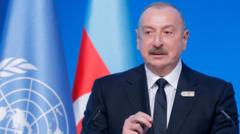
Azerbaijan's President Ilham Aliyev has stirred controversy at COP29 by labeling oil and gas as a "gift of god." Addressing the UN climate conference, Aliyev defended nations with fossil fuel reserves, asserting that they should not be blamed for tapping into these resources. His comments follow criticisms aimed at Azerbaijan regarding emissions, which he dismissed as "Western fake news."Looking towards the future, Azerbaijan plans to expand its gas production by one-third over the next decade. However, UN chief António Guterres countered Aliyev's assertions by arguing that doubling down on fossil fuels is "absurd," proclaiming that the "clean energy revolution" is underway and is inescapable for global governments. In the same vein, UK Prime Minister Sir Keir Starmer addressed the conference, committing to further emissions reductions, aiming for an 81% decrease by 2035. He urged other nations to match this enhanced target, emphasizing the race for clean energy jobs that could shape future economies. Despite Azerbaijan's hosting role, there are apprehensions about conflicts of interest, especially with the environment minister's previous ties to the state-owned oil and gas company Socar. Critics worry that the conference is being manipulated to boost investment in Azerbaijan’s fossil fuel sector. During the session, President Aliyev claimed that the country has been subjected to "slander and blackmail," attributing negative portrayals to supposed disinformation campaigns by Western media. He cited Azerbaijan’s minuscule share in global gas emissions—just 0.1%—to justify its resource development.In stark contrast, Guterres highlighted the pressing need for action, emphasizing the consequences of fossil fuel reliance. He lamented that 2024 is expected to be the warmest year recorded, urging wealthier nations to fulfill their financial commitments to support vulnerable countries in combatting climate change. This sentiment echoed throughout the conference, where developing countries advocated for a collective fund of up to $1 trillion, comprising both private and public investments. Notably, many world leaders from major polluting nations opted not to attend, casting doubt on the effectiveness of the ongoing talks.Burkino Faso's environment minister Roger Baro underscored the urgency for increased financial aid to manage climate crises, exacerbated by unprecedented droughts and floods in the Sahel region. Meanwhile, Spain's Prime Minister Pedro Sanchez called for immediate decarbonization efforts following devastating floods in his country that claimed over 200 lives.COP29, running until November 22, faces a challenging negotiation landscape, with critical issues at stake and no guarantee of achieving a unifying agreement on climate action.