In brief
On a wind and pink‑red stage in Calgary, Mark Carney urged voters to feel the weight of unity as Alberta’s referendum confirmed 70 % support for remaining in Canada. The result is a political boost for Carney as he presses back against the U.S. trade war and Trump’s promise of a rocky relationship. Alberta’s vast oil, gas and mineral reserves keep the province central to Canada’s economic lifeline, and Carney has pledged new pipelines and trade links to Pacific markets. Meanwhile, questions about foreign influence, pipeline construction and the long‑term future of Canadian unity hang over the nation.
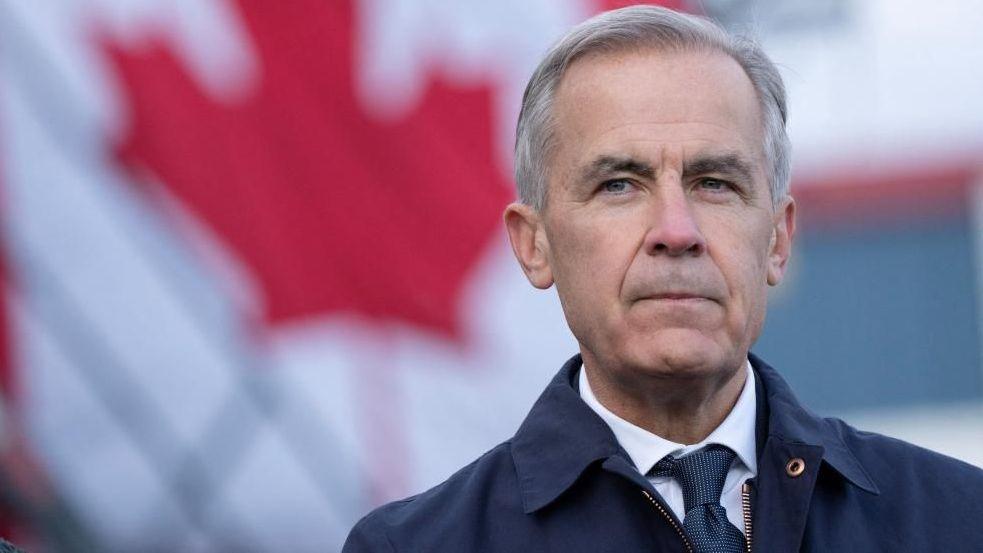
Vote like Canada depends on it – Prime Minister Mark Carney shouted across a stage decked in bright red and white banners in Calgary, a message that struck a chord as Alberta voters, in a razor‑sharp turnout, overwhelmingly chose to remain part of Canada.
The province’s decision is a political balm for Carney, the former central banker who grew up in the foothills of Alberta and now serves as Canada’s head of government. With most of Canada’s proven oil reserves lying beneath its soil, Alberta’s economic stability is pivotal in Ottawa’s effort to weather a disruptive U.S. trade war and to diversify its trade portfolio worldwide.
Carney’s warning that “outside the borders we are trying to break us” has resonated beyond the mountains, as he chases a new pipeline to the Pacific and wider trade corridors to circumvent over‑reliance on the United States. Massive megaprojects that require years of planning and capital are on the cards, but the urgency is clear – to unleash Canada’s potential as a sovereign energy powerhouse.
Meanwhile, Trump’s rhetoric at a Kansas rally—promising to let Canada keep its ice‑hockey heritage while “kidding” about the national anthem—has amplified the stakes. For Carney, the Alberta vote is proof that the country remains united and ready to tackle external challenges without retreating to isolationism.
Though President Trump’s threat to turn Canada into the “51st U.S. state” may have sounded hyperbolic, Carney’s firm stance and renewed focus on trade diversification signal a policy shift that may redefine Canada’s geopolitical posture for years to come.
The implications extend across the federation: remaining provincial powers, immigration costs and constitutional nuances are set to spark debate far beyond Alberta’s borders – a scenario that could further cement Canadian unity in the long run.
Carney’s international agenda, including controversial talks about associate membership with the European Union, showcases his determination to put Canada on the world stage. As the nation celebrates the referendum victory, the focus now shifts to translating that political momentum into tangible economic and diplomatic gains, while keeping a watchful eye on the U.S. partnership that still governs most of Canada’s exports.
In an era where fragmented alliances are the norm, Alberta’s vote serves as a reminder that Canada can unify its diverse provinces into a resilient, forward‑thinking nation.