In brief
Tropical Storm Sara has resulted in the isolation of over 1,700 communities in Honduras, triggering widespread flooding and destruction. With only one reported fatality so far, the impact of the storm is affecting more than 110,000 residents. As the storm weakens while moving towards Mexico, the extensive damage continues to reveal the vulnerability of the region to climate-related disasters.
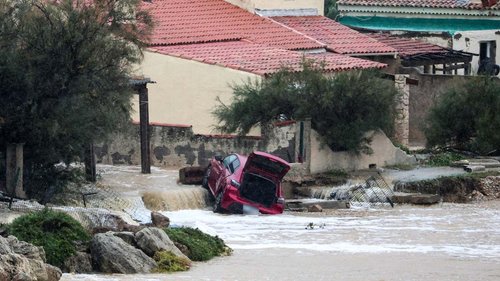
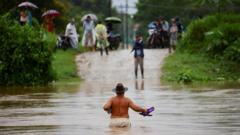
Tropical Storm Sara, which emerged from the Caribbean Sea on Thursday, has devastated parts of northern Honduras with relentless rainfall, causing rivers to overflow and landslides that blocked essential roads. Reports indicate that 2,500 homes have been damaged, and at least 200 completely destroyed. The storm’s reach led to the destruction of nine bridges and significant damage to 19 others, complicating rescue operations for those stranded by the flooding. As winds shifted northward, Sara also threatened parts of Belize and Mexico, leading meteorologists to issue warnings about the potential for the storm to weaken. Despite the challenging circumstances, Honduras’ rescue workers have been diligently conducting house-to-house efforts to assist residents trapped by rising waters. Honduran President Xiomara Castro alerted citizens in vulnerable areas to seek shelter, prompting thousands to evacuate to safer locales.The current hurricane season has been notably intense, with Sara now classified as the 18th named storm of the Atlantic season, following closely behind Hurricane Rafael which caused a significant blackout in Cuba less than two weeks ago. Experts attribute this unusual level of storm activity to rising sea surface temperatures, linking it to human-driven climate change that is intensifying storm conditions and the risks they pose. Kevin Trenberth, a prominent scholar at the National Center for Atmospheric Research, emphasized the accelerated nature of these storms fueled by climate change.