During the encounter, Trump and Vance accused Zelensky of disrespecting American support while raising their voices, creating a tense atmosphere as they demanded he acknowledge the assistance provided by the U.S. for Ukraine’s defense efforts. Trump questioned Zelensky's military strategy and suggested that the Ukrainian leader was gambling with enormous stakes, including the potential for a wider war.
"I have determined that President Zelenskyy is not ready for Peace if America is involved," Trump proclaimed via social media after the meeting, indicating his discontent with Zelensky's approach. This outburst not only signified a harsh rebuke of a wartime ally but also fueled Russian propaganda, with state-controlled media portraying Zelensky's treatment in the Oval Office as a public humiliation.
The disagreement stemmed from Zelensky’s attempts to discuss the war's history and the urgent need for security guarantees beyond a mere ceasefire—a sentiment that was swiftly criticized by Vance for being disrespectful in the American executive's seat. As voices rose, Trump interjected, adamantly reminding Zelensky of the U.S.'s indispensable role in supporting Ukraine against Russian aggression.
The fallout from this encounter included the abrupt cancellation of a joint news conference and a ceremonial signing of a minerals deal intended to solidify Ukraine's commitment to repay U.S. military assistance. Observers are left questioning the future of U.S.-Ukrainian relations following the explosive display of discord.
Despite what could have been a critical diplomatic moment, the Oval Office exchange ultimately raised more uncertainty regarding international alliances and the ongoing war, pushing Zelensky to leave the White House without finalizing the crucial agreement.
"As the meeting concluded, Zelensky exited without offering comments to the press, leaving many in Washington and Kyiv to ponder whether this confrontation signals a lasting rift in U.S.-Ukrainian relations," a political analyst noted, encapsulating the gravity of the situation.
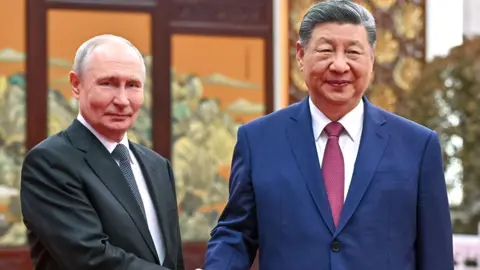
While Trump’s remarks echoed his complex relationship with Russian President Vladimir Putin, his ready harshness towards Ukraine raises further questions about American diplomatic strategy in the region and the future of peace negotiations.
With growing concern for the stability of Ukraine amidst external pressures, this Oval Office confrontation might resonate far beyond the immediate exchanges, affecting international perceptions of U.S. leadership during this critical time.
"I have determined that President Zelenskyy is not ready for Peace if America is involved," Trump proclaimed via social media after the meeting, indicating his discontent with Zelensky's approach. This outburst not only signified a harsh rebuke of a wartime ally but also fueled Russian propaganda, with state-controlled media portraying Zelensky's treatment in the Oval Office as a public humiliation.
The disagreement stemmed from Zelensky’s attempts to discuss the war's history and the urgent need for security guarantees beyond a mere ceasefire—a sentiment that was swiftly criticized by Vance for being disrespectful in the American executive's seat. As voices rose, Trump interjected, adamantly reminding Zelensky of the U.S.'s indispensable role in supporting Ukraine against Russian aggression.
The fallout from this encounter included the abrupt cancellation of a joint news conference and a ceremonial signing of a minerals deal intended to solidify Ukraine's commitment to repay U.S. military assistance. Observers are left questioning the future of U.S.-Ukrainian relations following the explosive display of discord.
Despite what could have been a critical diplomatic moment, the Oval Office exchange ultimately raised more uncertainty regarding international alliances and the ongoing war, pushing Zelensky to leave the White House without finalizing the crucial agreement.
"As the meeting concluded, Zelensky exited without offering comments to the press, leaving many in Washington and Kyiv to ponder whether this confrontation signals a lasting rift in U.S.-Ukrainian relations," a political analyst noted, encapsulating the gravity of the situation.
While Trump’s remarks echoed his complex relationship with Russian President Vladimir Putin, his ready harshness towards Ukraine raises further questions about American diplomatic strategy in the region and the future of peace negotiations.
With growing concern for the stability of Ukraine amidst external pressures, this Oval Office confrontation might resonate far beyond the immediate exchanges, affecting international perceptions of U.S. leadership during this critical time.