In brief
Myanmar’s 2024 conscription law has coerced thousands of young men into the army, turning them into reluctant fighters. Four men, drawn into service by cash‑framed arrests, escaped and joined the People’s Defence Force, finding camaraderie and a new purpose. Their experience highlights how the junta’s forced manpower bolsters rebel forces that are now on counter‑offensive in strategic border towns. Alongside frontline drama, frontline hospitals, wounded commanders, and hopeful families illustrate human stories amid the war.
From Army Recruiting to Rebel Fighting
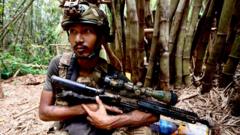
Four young men in a hidden jungle camp—ages 19 to 25—had never wanted any part in Myanmar’s civil war. One was a chef, another was caught on the streets, a third worked in forestry, and the fourth was drug‑framed by the military. All were forced to sign up for the army under the new conscription law of 2024, left with no real choice but to serve.
After four months of basic training, they were sent to the front in Karen state. Once in the jungle, they decided to escape, only to be detained by the People’s Defence Force (PDF) patrol they then joined. They now describe being treated as brothers rather than strangers, a sharp contrast to the treatment they received on the military front lines.
Rebels Gain a Boost From Coerced Conscripts
Rebel commanders say the influx of untrained conscripts has shifted battlefield dynamics. Former political activist Da Wa notes that although the junta’s forces are not willing recruits, they are steadily improving under orders. Meanwhile, commanders like Ko Kaung, who captured the town of Hpapun two years ago, view conscripts as a force multiplier, allowing the rebels to sustain their small‑scale offensives.
Drone Threats, Arms Shortage and Tactical Shifts
The military is now better armed, with air power and drones that outnumber rebel forces. The PDF reports shortages in weapons and ammunition, but fighters still display resilience, calling on their communities for support. In one video, a platoon commander Kyar Soe warns that “save your bullets”—a reminder of the scarcity of firepower on the front.
A Field Hospital Amid the Conflict
In a remote jungle clinic, Dr. Saung operates on wounded fighters using solar‑powered equipment. The hospital runs on a slimmest budget, yet medical staff work tirelessly to treat injured rebels, including those who suffered landmine injuries. The clinic’s operating theater is a testament to ingenuity and hope in a war zone.
A New Baby in a War Zone
During a strange lull, the wife of Yine Chit was in labor. The pregnant woman, May Kyut Mon, delivered a baby girl named Sue Paye with the help of nurses and Dr. Saung. The mother shouted in reduced calm, and Yine Chit promised to raise her in a free and democratic Myanmar.
The stories of conscripted youths, experienced rebel leaders, makeshift hospitals, and hopeful families give a human face to the shifting tides of Myanmar’s civil war—an ongoing struggle where battlefield gains clash with the pure will of the local population.