In brief
As Gaza emerges from intense conflict, rescue workers face the overwhelming burden of their experiences, grappling with trauma while attempting to recover thousands buried under rubble and honor their fallen comrades.
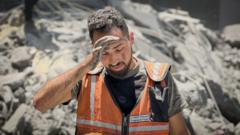
In the aftermath of relentless bombardment in Gaza, rescue worker Abdullah al-Majdalawi's voice trembles as he reflects, "I have become afraid of my own memories." This sentiment exemplifies the profound psychological toll inflicted on the Civil Defence, Gaza's primary emergency service, which has tirelessly worked to recover both survivors and bodies from the debris over the past 15 months. The sight of mourners draping bright orange vests—their symbols of valor—over deceased colleagues at countless funerals highlights the dangers these heroes face.The Civil Defence reported a staggering loss of 99 workers, with 319 others injured, as they navigated the chaotic landscape of destruction. Nooh al-Shaghnobi, a 24-year-old rescuer, shared, "We put the vest there because our colleague sacrificed his soul in it," emphasizing the honor they bestow upon their own, wanting their contributions to be recognized by God.The conflict's devastation has left over 47,000 Palestinians dead, with casualties predominantly comprising women and children, as per estimates from the Hamas-run health ministry endorsed by the United Nations. A study published by the Lancet suggested that the true death toll from the early months of fighting might have been significantly underestimated. As the ceasefire holds, the Civil Defence faces an uphill battle: refinding an estimated 10,000 individuals still trapped beneath rubble. Al-Shaghnobi recalled a recent rescue in a flattened building, where local knowledge led to the recovery of multiple remains concealed beneath debris, showcasing their relentless commitment to their mission amidst overwhelming sorrow.Public awareness of their grueling realities has surged, amplified through social media posts shared by weary workers like Al-Shaghnobi, who document the gruesome and heartbreaking instances of their daily labor. He confessed, "You should become numb as time goes on. But I have become worse. I find it harder to cope," as he grapples with witnessing the death of numerous colleagues.While released Israeli hostages may receive psychological care upon their return, Gaza's workers express dire need for similar support—though none reported being offered professional counseling. "A year of therapy would not be enough for one day of this job," Al-Majdalawi remarked, reflecting on the ineffable strain experienced by those still working amid immense loss.The Civil Defence now faces challenges not only in recovering bodies but also in the essential equipment needed to conduct their work effectively. Mahmoud Basal, the agency's spokesperson, mentioned that they hope to recover the remaining dead within 100 days, despite grappling with the remnants of destruction and a severe lack of resources. His acknowledgment of the deplorable state of their equipment highlights the dire nature of their operations.Grieving families scour hospitals for answers, holding on to the hope of recognizing their loved ones among remains. Ali Ashour's poignant search for his son makes clear the profound personal stakes at play, as families confront the haunting reality of their circumstances. In this ongoing humanitarian crisis, as the Civil Defence strives to fulfill their duty despite emotional and practical hurdles, Al-Shaghnobi's commitment remains unwavering: "These people need to be found and honored."