In brief
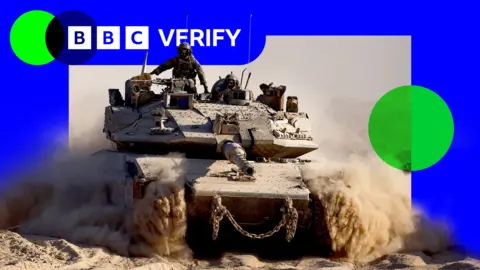
As Israel continues its military operations in Gaza post the October 2023 Hamas attacks, questions of proportionality in its military response emerge. A multitude of international law experts weigh in, noting the significant civilian casualties and humanitarian crises as critical indicators of disproportionate warfare. The article delves into the ongoing debate surrounding Israel's actions, invoking international law principles and the ethical repercussions of continued violence.
Israel's military operation in Gaza has killed tens of thousands of people, destroyed thousands of buildings, and severely restricted the supply of food.
The operation was launched after Hamas rampaged through villages, military posts and a music festival in Israel on 7 October 2023, killing about 1,200 people and taking 251 others hostage. The United Nations' (UN) human rights body would later conclude that Hamas had committed war crimes and crimes against humanity.
Prime Minister Benjamin Netanyahu stated that like every country, Israel has an inherent right to defend itself, asserting that its military operation is a just war aimed at destroying Hamas. However, criticisms regarding the conduct of the operation are mounting.
Major human rights organisations argue that Israel's actions amount to ethnic cleansing and genocide. Netanyahu has fervently rejected these claims, emphasizing Israel's commitment to international law. Yet, this commitment is under scrutiny, particularly regarding the principle of proportionality, which dictates that military actions must not cause excessive civilian harm compared to the anticipated military advantage.
Inspections by BBC Verify, citing leading international law experts, reveal a consensus that Israel's military actions are not proportionate given the overwhelming civilian casualties reportedly exceeding 64,500, with nearly half being women and children.
Notable legal scholars from various institutions express immense concern over Israel's disregard for proportionality. Professor Janina Dill from the Blavatnik School of Government states, I would struggle to see how Israel's military conduct in Gaza could potentially be characterised as proportionate. Similarly, Dr. Maria Varaki from Kings College London declares the use of force in Gaza as undisputable, non-disputable in its disproportionate nature.
To evaluate proportionality, international law differentiates between overall military response and individual military actions. While Israel maintains that it's acting in self-defense based on Article 51 of the UN Charter, many experts contest this, suggesting the severity and extent of the military response surpasses any legitimate scope of self-defense.
The humanitarian impact further complicates the proportionality debate, with accusations of Israel employing restrictions on food and aid as weapons of war, leading to widespread famine affecting 25% of the Gazan population. UN officials have vehemently condemned the blockade and characterized it as an unlawful action against civilians.
As the conflict escalates, the debate surrounding the legality and ethics of Israel's actions remains critical, with many international law scholars and humanitarian experts urging for accountability and adherence to international laws governing armed conflict.