In brief
As the Trump administration implements severe staff cuts in national parks, public access and environmental management face dire consequences, leading to longer wait times, trail closures, and heightened safety risks for visitors.
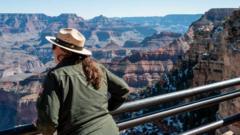
Empty line 4In an alarming shift for America's natural treasures, significant staff reductions across national parks and forests under the Trump administration have ignited a strong backlash. The cuts, which have resulted in around 5% of National Park Service employees losing their jobs and a staggering 10% of the U.S. Forest Service staff being laid off, pose a threatening impact on conservation efforts and visitor experiences.Visitors are already noting the effects—lengthy entrance lines at parks, diminished visitor center hours, closed trails, and deteriorating facilities are becoming commonplace. Kate White, a wilderness ranger in Washington's Enchantments, expressed concern over her inability to maintain vital services, such as backcountry restroom upkeep, which is essential for preserving delicate ecosystems.Over the past nine years, White has been a critical figure in ensuring the safety of hundreds of hikers navigating the rugged and treacherous terrain. With staffing cuts leading to job losses for frontline workers like her, the implications for public safety are significant. "I'm not entirely sure what the plan is to get that done," she said, referring to the maintenance of essential services during peak visiting seasons.The mass layoffs, first revealed on February 14, have already disrupted management at national parks, attracting a wave of complaints from outdoor advocates who highlight the compromised safety and enjoyment of natural landmarks. With around 325 million visitors annually to national parks and approximately 159 million to national forests, there are fears of visitor experiences taking a considerable hit.The Grand Canyon National Park faced major traffic problems on President's Day weekend, as insufficient toll operators resulted in extensive queues. Similarly, an indefinite closure of a popular trail near Seattle was announced, attributing the situation to a depletion in the Forest Service workforce.Protests have emerged, with some staff members at Yosemite National Park expressing their discontent by hanging an upside-down American flag during an iconic seasonal event. Conservationists, such as biologist Andria Townsend, who previously supervised GPS tracking of endangered species, have voiced concerns over the long-term consequences of reduced staffing on vulnerable wildlife populations.Couple Claire Thompson and Xander Demetrios, former Forest Service workers, described the feeling of being undervalued, especially after dedicating years to maintaining essential services in a challenging environment. Their frustrations reflect a broader sentiment among many laid-off workers who believe that their sacrifices were disregarded.As a response to the ensuing criticism, Interior Secretary Doug Burgum announced plans to rehire some staff and to add over 5,000 seasonal workers for the upcoming warmer months. While Burgum empathizes with affected workers, he also outlined the fiscal necessity driving these cuts.Although proponents of the staff cuts assert they will yield significant savings, doubts persist about the authenticity of these claims. Advocates for national parks fear that without policy changes, visitors should brace for a lack of services, an increase in litter, and potentially even hazardous conditions.The ramifications of these cuts extend beyond visitor experiences. Absences in key personnel could severely disrupt wildfire preparedness and management, a concern raised by wildland firefighters who depend on additional support to ensure community safety. The cumulative weight of these staff reductions hints at a troubling trend, with significant implications for America's cherished natural landscapes.