In brief
Wildlife experts express concerns as the iceberg's movement could threaten feeding grounds for diverse marine life, with past incidents resulting in casualties.
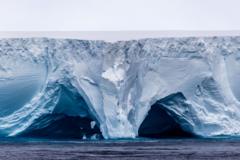
Iceberg A23a, the world's largest, is advancing towards South Georgia, a vital sanctuary for wildlife, and could pose serious threats to local penguins and seals. The iceberg, measuring around 3,500 square kilometers, is currently 173 miles away from the island and is known for its spinning trajectory from Antarctica. Experts have reported that icebergs can block feeding areas, resulting in tragic outcomes for wildlife populations.Historically, South Georgia has faced dangers from incoming icebergs such as A38 in 2004, which caused the death of numerous seal pups and chicks. The island is renowned for hosting colonies of King Penguins and millions of seals, making iceberg encroachments a major concern for both wildlife and fisheries. As Mark Belchier, a marine ecologist, notes, the island finds itself in "iceberg alley," meaning that encounters with these massive ice structures are all too common.Recent observations indicate that with climate change, the occurrences of large icebergs threatening the region may increase, although A23a's calving occurred before significant temperature rises were recorded. Fishermen in the area also highlight the challenges posed by icebergs, with one such iceberg, A76, posing operational risks in the waters surrounding South Georgia.Despite the dangers, scientists are taking the opportunity to study A23a's effects on the environment. Laura Taylor, a researcher from the British Antarctic Survey, recently collected water samples from the iceberg, aiming to analyze its impact on the oceanic carbon cycle. As the iceberg melts, it releases valuable nutrients into the Southern Ocean, potentially affecting the chemistry of the waters as well as carbon storage.Watchers around the globe monitor A23a’s movements from their vessels, appreciating the beauty and magnitude of the iceberg while remaining cautious of its unpredictable nature. As this majestic formation approaches, a mix of wonder and worry fills the minds of both wildlife advocates and local sailors.