In brief
Known for his gritty roles, including Oscar-winning parts in "The French Connection" and "Unforgiven," Hackman's diverse career spanned decades, making him one of Hollywood's enduring stars.
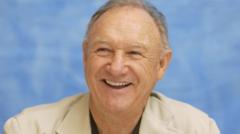
Gene Hackman, the iconic Hollywood tough guy, has died at 95. Often described as having the face of a truck driver, Hackman defied the odds to become one of the most celebrated actors in film history. Over his illustrious career, he garnered two Academy Awards and received three additional nominations, showcasing his talent in both intense dramas and light-hearted comedies. His rise to fame began with a powerful performance in "Bonnie and Clyde," released at the end of the 1960s, leading to a steady stream of notable roles in films like "Mississippi Burning," "The French Connection," and "Superman." In 2004, Hackman retired on his doctors' advice and opted for a quieter life in New Mexico with his second wife, Betsy.Born Eugene Allen Hackman in San Bernardino, California in 1930, Hackman's early life was marked by family struggles, including divorce and tragedy. He lied about his age to enlist in the Marines at just 16 and spent nearly five years stationed in China. After his military service, he pursued acting at Pasadena Playhouse, where he faced skepticism, but persevered alongside future stars like Dustin Hoffman.His breakthrough came in 1967 when Warren Beatty cast him in "Bonnie and Clyde," earning Hackman his first Oscar nomination. However, it was his performance as "Popeye" Doyle, a gritty New York narcotics officer in "The French Connection," that truly established his reputation, winning him the Academy Award for Best Actor in 1972.Throughout the 1970s and 80s, Hackman starred in critically acclaimed films such as "The Conversation," "Mississippi Burning," and "Unforgiven," combining depth with a tough exterior in memorable roles. He even showcased his comedic talent in films like "Young Frankenstein," and his portrayal of the iconic villain Lex Luthor in "Superman" was unforgettable.Despite a successful career, Hackman decided in 2004 to retire after his final film, "Welcome to Mooseport." He cited the stress of the film industry as a key factor in his decision, expressing a desire to leave on a high note. Continuing to channel his creativity post-retirement, Hackman turned to writing, co-authoring several historical fiction novels. He embraced the solitude of writing, asserting that it provided him with greater control over his work compared to acting.In addition to his film and writing career, Hackman was an avid golfer, painter, and racing enthusiast who maintained a low profile. He rarely gave interviews and shunned the celebrity lifestyle, believing that true artistry transcends fame.Gene Hackman leaves a lasting legacy as one of Hollywood's greatest tough guys, admired for his versatility, dedication to craft, and genuine humility. His influence on cinema and the respect he earned within the industry will be remembered for generations.