In brief
The U.S. military in Okinawa has extended a nighttime curfew imposed on October 9 until December 7, affecting personnel under the rank of sergeant. The decision follows a murder-robbery case involving a U.S. servicemember and a drunk‑driving arrest of a Marine. Japanese officials urge stricter discipline and training for U.S. forces.
In the evening of November 6, the U.S. military announced that the nighttime curfew in Okinawa, Japan, would be extended for another month. The curfew, which took effect on October 9, will remain in force until December 7 and applies only to U.S. personnel below the rank of sergeant.
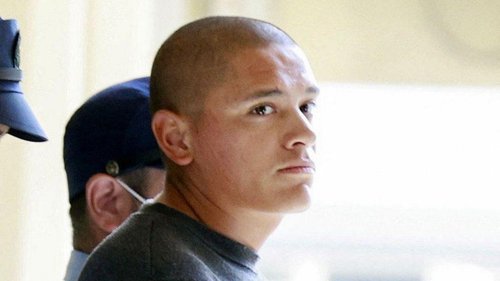
The move follows a series of criminal incidents involving U.S. service members in the archipelago. On October 1, U.S. servicemember Devin Ballard was arrested in Naha for robbing and murdering a local woman. The case was one of the catalysts for the curfew, which limits U.S. forces from leaving their bases between midnight and 5 a.m. The curfew also was in place when a Marine was arrested on October 31 on suspicion of drunk driving in Okinawa City.
Japanese Defense Minister Shinjiro Koizumi said on Monday that the Japanese government had urged the U.S. side to strictly enforce military discipline, take effective measures to prevent similar incidents, and ensure that the curfew was carefully observed. Foreign Minister Toshimitsu Motegi added on Friday that the Japanese and U.S. governments had agreed to strengthen education and training for U.S. service members to prevent similar incidents from recurring.
The curfew system, first introduced on October 9, prohibits U.S. soldiers from leaving the base at night and requires them to return to their accommodations by 5 a.m. Under the new extension, only those below the rank of sergeant must remain indoors, while sergeants and all higher‑ranked personnel are exempt from the rule.
The decision reflects growing tensions over the presence of U.S. forces in Okinawa. The island hosts more than 50,000 U.S. troops, and it has long been a flashpoint for anti‑military protests. Local residents have expressed concerns about noise, crime, and the impact of the U.S. base on their community. The curfew was one tool that the U.S. military employed to appease local pressure and demonstrate a willingness to maintain discipline among its members.
Mission statements from the U.S. Department of Defense emphasized that the restriction is temporary, aimed at restoring public trust while avoiding unnecessary disruption of military readiness. The curfew is intended to reinforce discipline and keep U.S. troops in safer housing during the late night hours when misconduct incidents have been more common.
Supporters of the curfew see it as a necessary step to curb the rise in violent and non‑violent incidents that involve U.S. Marines and sailors. They argue that the temporary measure may help to prevent further clashes with local residents and reduce backlash against the military. Critics, however, say that the curfew imposes hardships on U.S. service members whose duties often require them to work past midnight or to respond quickly to emergencies.
While the curfew will not affect higher-ranking officers, those in the ranks of sergeant and below will be required to remain inside the base until 5 a.m. The restriction is heavily monitored by base command and local authorities, and the U.S. military has promised to be transparent in reporting any further violations of curfew rules.
The U.S. forces in Okinawa have reiterated that the measures are an ongoing attempt to coordinate with Japanese officials, strengthen operational discipline, and address public concerns. Whether the extended curfew will lead to a decline in incidents remains to be seen, but the announcement underscores the delicate balance between U.S. military presence and local community sentiment in the Ryukyu Islands.