In brief
The Trump administration's proposed overhaul of USAID could lead to drastic staff cuts, prompting legal challenges and concerns over global humanitarian efforts.
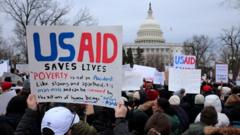
The United States Agency for International Development (USAID) is preparing for significant staff reductions, potentially slashing its workforce from roughly 10,000 employees globally to under 300. This decision follows the Trump administration's push to make sweeping cuts to government spending, prompting a halt in numerous aid programs across various countries. According to internal communications, most personnel—except for a few essential roles—will be placed on administrative leave starting at midnight Friday, affecting thousands of international workers. Currently, only 294 individuals have been labeled as essential.These budget cuts are steeped in controversy, with critics, including former USAID leaders, warning of dire repercussions for global humanitarian assistance. The proposed changes are driven by assertions from Trump's administration, particularly Elon Musk, alleging inefficiencies within USAID that stray from an "America First" ideology. Opinion polls suggest a prevalent skepticism towards foreign aid among many U.S. citizens, with a significant majority of Republicans believing the country allocates excessive funds to international programs.Legal challenges are mounting against the administration's actions, with the American Foreign Service Association (AFSA) and the American Federation of Government Employees (AFGE) joining forces in a lawsuit claiming these moves infringe upon constitutional provisions regarding agency dismantlement. They argue that Congress holds the authority to oversee such changes, demanding reinstatement of USAID's operations and policies to maintain its essential humanitarian roles.As the cuts threaten the future of thousands of USAID jobs, various stakeholders express concern over the deteriorating landscape of global public health and support systems. Leaders from non-governmental organizations (NGOs) in regions reliant on USAID assistance report immediate negative impacts, including layoffs and service interruptions. Some officials, like Congressman Raja Krishnamoorthi, voice the urgency of finding less harmful reform methods for USAID that ensure the agency can fulfill its critical mission without a drastic reduction in resources.Meanwhile, Secretary of State Marco Rubio, appointed as acting head of USAID, defended the administration's restructured agenda, claiming that U.S. involvement in foreign aid will continue but must align with national interests and justifications. As uncertainty looms for the future of U.S. foreign assistance, the global implications of these drastic policy shifts remain a pressing concern among international partners and aid recipients alike.