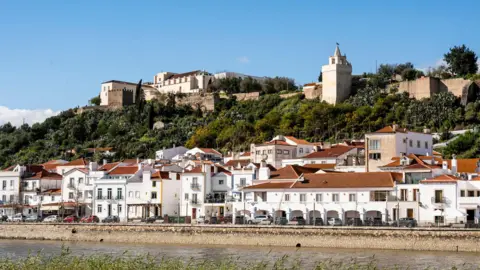
The heatwave, driven by hot air from North Africa, is forecasted to bring temperatures as high as 42°C in Spain's Seville. BBC Weather describes this occurrence as "very intense" for June, typically associated with extreme heat in July and early August. Emergency teams in Spain are on alert for a rise in heat-related illnesses, particularly among vulnerable populations.
In Madrid, residents are shocked by the early onset of extreme heat. Marina, a 22-year-old local, expressed her astonishment at the high temperatures occurring so soon. Janeth, a 47-year-old, noted that this year's heat has made outdoor activities nearly impossible during the day. Italian cities like Rome, Milan, and Venice have advised their residents to stay indoors during peak heat hours, as humidity levels rise and discomfort increases.
In France, where a heatwave has persisted for over a week, orange alerts are in effect for southern regions, leading to free access to municipal pools in cities like Marseille. Calls for school closures are emerging to protect student health amidst the rising temperatures.
Across the UK, yellow and amber heat alerts have been issued, with London potentially reaching 35°C on Monday. The current heatwave is predicted to persist until Tuesday evening.
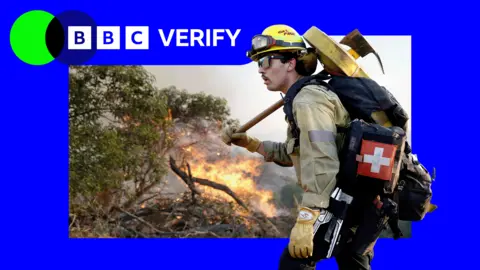
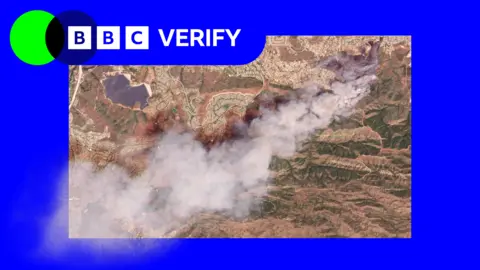
Wildfires have already broken out in parts of Europe, notably in Greece, where coastal areas near Athens have faced severe destruction, prompting evacuations. While it’s challenging to attribute individual weather events to climate change, studies indicate that heatwaves like the current one are becoming increasingly common and severe due to global warming. Scientists state that such occurrences in June are now ten times more likely than they were before the industrial era.
In Madrid, residents are shocked by the early onset of extreme heat. Marina, a 22-year-old local, expressed her astonishment at the high temperatures occurring so soon. Janeth, a 47-year-old, noted that this year's heat has made outdoor activities nearly impossible during the day. Italian cities like Rome, Milan, and Venice have advised their residents to stay indoors during peak heat hours, as humidity levels rise and discomfort increases.
In France, where a heatwave has persisted for over a week, orange alerts are in effect for southern regions, leading to free access to municipal pools in cities like Marseille. Calls for school closures are emerging to protect student health amidst the rising temperatures.
Across the UK, yellow and amber heat alerts have been issued, with London potentially reaching 35°C on Monday. The current heatwave is predicted to persist until Tuesday evening.
Wildfires have already broken out in parts of Europe, notably in Greece, where coastal areas near Athens have faced severe destruction, prompting evacuations. While it’s challenging to attribute individual weather events to climate change, studies indicate that heatwaves like the current one are becoming increasingly common and severe due to global warming. Scientists state that such occurrences in June are now ten times more likely than they were before the industrial era.