In brief
Gabrielle, a Category 3 hurricane in the Atlantic Ocean, boasts maximum sustained winds of 120 mph as it moves northward, approximately 195 miles southeast of Bermuda. The National Hurricane Center indicates swells from Gabrielle are affecting coastal areas, leading to potentially dangerous surf conditions. The current Atlantic hurricane season remains relatively calm, with this being only the second named hurricane.
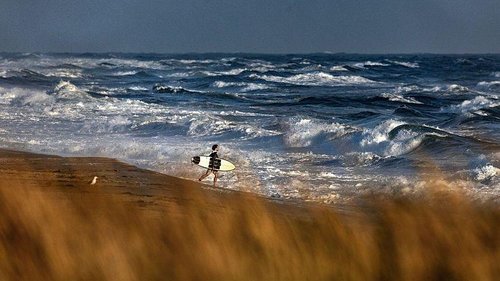
MIAMI (AP) — Gabrielle has strengthened into a major hurricane in the Atlantic Ocean, escalating to dangerous Category 3 status with maximum sustained winds reaching 120 mph (191 kph). The Miami-based National Hurricane Center reported that the storm is positioned about 195 miles (314 kilometers) southeast of Bermuda, moving northward at a rate of 10 mph (16 kph). Emerging as a Category 1 hurricane just a day prior, Gabrielle intensified due to warm waters, although it is projected to remain far from land. The storm is now generating swells impacting Bermuda and the U.S. East Coast, stretching from North Carolina to Canada's Atlantic coast. Forecasters have warned that these swells may create life-threatening surf and rip current conditions. This year's Atlantic hurricane season has been relatively quiet, seeing only one named hurricane before Gabrielle. Experts suggest multiple factors contribute to this inactivity, but they caution that it doesn’t eliminate the risk of more dangerous systems forming later in the season. The Atlantic hurricane season runs until November 30. Additionally, in the Pacific, Tropical Storm Narda formed near Mexico, moving west-northwest with winds of approximately 45 mph (72 kph). Narda is expected to become a hurricane soon but currently poses no threat to land.