In brief
New data from the European Copernicus climate service indicates that 2024 is poised to be the first calendar year to exceed the 1.5C symbolic limit of global warming. The findings highlight the alarming trend of rising temperatures, attributed largely to human-induced fossil fuel emissions. UN officials urge immediate action to cut emissions by 2025, as the long-term average temperature increases are drawing nearer to dangerous thresholds.
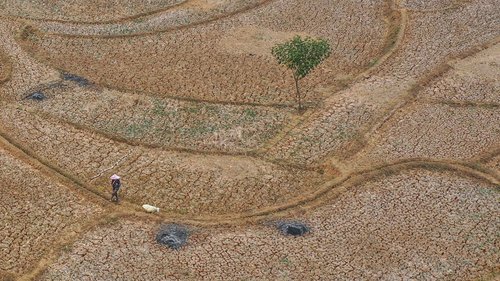
Despite efforts made by world leaders over the past decade, the consequences of climate change are becoming increasingly severe as nations grapple with intense heatwaves, extreme weather events, and rising sea levels. Experts warn that the trajectory points towards surpassing the crucial 1.5C barrier within the next decade while emphasizing the importance of taking action to mitigate further consequences.The relentless increase in global average temperatures has marked 2024 as 1.6C higher than pre-industrial levels, surpassing 2023’s record by over 0.1C. The last decade stands as the hottest on record, leading scientists to stress the urgent need for cuts in greenhouse gas emissions. António Guterres, the UN Secretary-General, characterized the current records as signs of a potential climate breakdown, appealing to nations to respond swiftly but effectively.Despite the worsening scenario, including blistering heat across Africa, droughts in South America, and destructive wildfires in California, experts remain hopeful. They assert that immediate global cooperation in reducing emissions could significantly moderate warming outcomes. Climate scientists warn every increment of temperature increase poses intensified risks associated with extreme weather events.The extreme weather patterns of 2024, including heatwaves and atypical rainfalls, highlight the urgency surrounding climate action initiate through the continued reliance on fossil fuels. As the world grapples with these unprecedented climatic changes, the focus must shift towards sustainable practices in order to curtail potential crises and foster a more resilient future.