In brief
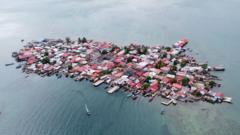
The small island of Gardi Sugdub, home to the indigenous Guna community, has become increasingly uninhabitable due to rising sea levels and climate change. Delfino Davies, who runs a local museum, reflects on the eerie silence that now envelops the once vibrant island. "Before, you could hear children shouting… music everywhere, neighbours arguing," he reminisces, now witnessing a vast exodus as the Panamanian government declares an "imminent risk" to the island's inhabitants. Last June, approximately 1,000 residents relocated to the new settlement of Isberyala on the mainland, leaving just about 100 behind.
While the resettlement has been viewed as a template for similar communities worldwide, it has torn apart familial bonds and community ties. Residents express both sorrow and ambivalence over leaving a place intertwined with their cultural identity, where traditions and daily life have flourished since the 19th century.In Isberyala, new homes and modern amenities contrast sharply with the cramped conditions of Gardi Sugdub. However, community leaders like Tito López emphasize that despite the changes, the essence of Guna culture remains unshakable, particularly the continuation of traditions, music, and dance in their new school. The relocation underscored the broader challenges posed by climate-induced displacement, as experts note that hundreds of millions could face similar fates in the future. Community members are adapting to their new environment while still grappling with loss and longing for their old life, highlighting a poignant narrative of resilience amidst a climate crisis.