In brief
The recent blackout crises and the looming re-election of Donald Trump signal a tough time ahead for the Cuban tourism landscape.
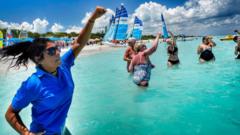
Cuba's tourism industry, a vital cornerstone of its economy, is navigating treacherous waters as Canadian "snowbirds" opt for warmer vacations amidst extreme weather conditions in North America. Canada has historically been the largest source of tourists to the island, with nearly one million Canadians making the trip last year, filling a void created by restrictive U.S. travel policies. However, optimism has dimmed with the recent announcement from Sunwings Vacations Group, a key Canadian tour operator, that it will remove 26 hotels from its Cuba offerings. This decision is rooted in severe power outages experienced across Cuba, linked to an aging energy infrastructure that recently suffered during a four-day blackout and subsequent power cut following Hurricane Rafael’s impact. The latest blackout occurred on December 4 after a significant power plant malfunction. Samantha Taylor, Sunwings’ chief marketing officer, acknowledged that these disruptions might shake consumer confidence, but emphasized that Cuba still has "incredible places to go." In response to the challenges, the company is promoting alternative destinations like the Dominican Republic and Colombia to its clients, seeking to alleviate concerns over travel to the island.As tourism remains crucial for Cuba's economy, particularly after remittances, the loss of a major operator's support raises alarms. The Cuban Tourism Board's spokesperson, Lessner Gómez, reassured potential visitors that improvements are being made for the winter season to enhance travel experiences. Despite efforts to downplay the impact of the blackouts, Cuba’s recent months have been tumultuous, accentuated by the island's struggles during a harsher Atlantic hurricane season. Compounding these natural challenges are the political uncertainties related to the possibility of Trump's re-election as president and Marco Rubio’s potential appointment as Secretary of State. Observers are concerned that this could lead to a tightening of sanctions that cripple the already fragile tourism sector. Jesús Arboleya, a former Cuban diplomat, describes this moment as potentially the hardest for the Cuban Revolution, emphasizing that U.S. policy under Trump favors punitive measures over diplomatic engagement. Similar concerns were echoed by Cuban political expert Rafael Hernández, who criticized the inconsistent approach of U.S. legislation affecting Cuba.Tourism figures have already taken a hit since their peak in Obama’s presidency, further struggling through the onset of the COVID-19 pandemic. Ricard Torres, an economist, questions Havana's heavy investment in tourism infrastructure while underfunding essential services like energy. Despite these challenges, many visitors still cherish Cuba’s unique allure, from its vibrant culture to historic avenues filled with classic cars. Yet, with the prospect of further obstacles coming from the U.S. and ongoing energy issues, Cuba's tourism sector faces a precarious future as it attempts to draw in vital travelers like Canadian tourists.