In brief
Canada is set to reinvigorate its military forces with a multi-billion dollar investment, responding to international pressures and a shifting geopolitical landscape.
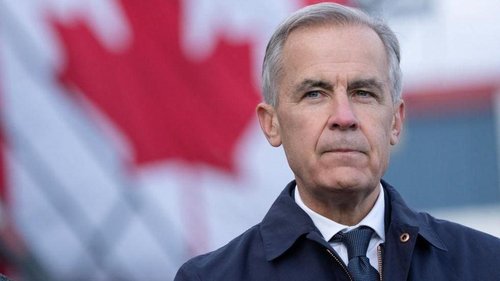
In the wake of World War II, Canada once held one of the largest navies globally, featuring nearly 95,000 active personnel and a fleet of 434 ships. The present-day Royal Canadian Navy stands in stark contrast, reduced to approximately 11,500 troops and just 40 vessels, with only one of four diesel submarines operational after being purchased secondhand from Britain. Furthermore, Canada’s armed forces are currently falling short by around 16,000 personnel of its authorized strength of 101,500, including reserves.In a decisive move to address these deficiencies, Prime Minister Mark Carney has pledged billions to enhance Canada’s military capabilities, aiming to meet NATO’s required defense spending goals. His ambitious plan seeks to achieve these targets a full seven years ahead of schedule. Carney's announcement comes amid claims from former President Trump suggesting Canada has relied on US support for its defense needs, and this initiative is seen as part of Carney's broader strategy to forge a more independent Canadian military identity. The concerns stem from fears that Trump's administration could seek to integrate Canada more deeply into the United States, referencing comments about making Canada the 51st state. As European allies such as the UK and Germany also ramp up their military activities in light of Trump's isolationist stance, Canada's decision to increase military budget by 9.3 billion Canadian dollars (approximately 6.8 billion USD) is particularly significant. However, there remains uncertainty over the source of this funding and whether Canada’s armed forces will be prepared to effectively utilize these additional resources promptly.