In brief
In a devastating report from Gaza, the catastrophic humanitarian crisis has worsened the experience of pregnancy and childbirth, leading to increased malnutrition, premature births, and higher rates of infant mortality. With restricted access to healthcare and basic necessities, women like Malak Brees and Aya al-Skafi are battling to survive while bringing new life into a perilous environment.
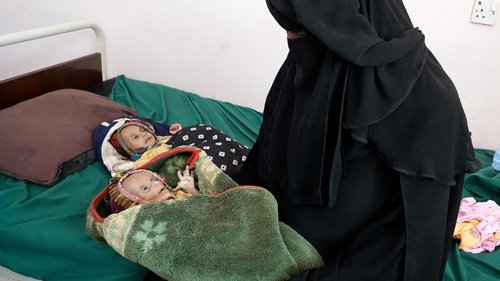
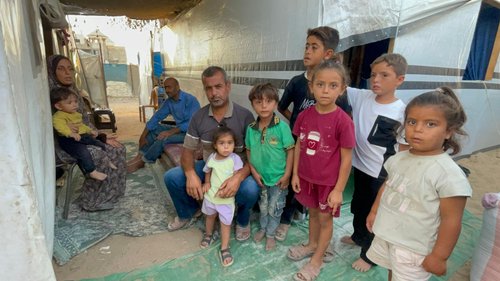
In the beleaguered territory of Gaza, pregnancy and childbirth have devolved into perilous experiences filled with anxiety and uncertainty. The ongoing conflict has drastically impacted the wellbeing of mothers and their newborns, leading to alarming health consequences. According to the UN, with severe food shortages exacerbated by a relentless blockade, one in ten newborns is now classified as underweight or premature. Concurrently, the rate of miscarriages, stillbirths, and congenital issues has alarmingly surged.Malak Brees, a seven-month-pregnant mother, lives in constant fear of bombings. "I'm scared of premature birth and that my amniotic fluid may not be sufficient for my baby's growth," she confides. Recently, she suffered a significant loss of amniotic fluid, a situation her doctors attributed to malnutrition and fatigue. Their prognosis was grim: her survival and that of her child were now left in the hands of fate.The blockade imposed by Israel since March 2 has limited access to essential medical supplies and hygiene products. With hospitals overwhelmed and basic care scarce, many women are forced to give birth without proper medical assistance. Sandra Adler Killen, an emergency nurse, explains the grim reality many face when accessing maternal care: “Women are discharged from hospitals too soon, often with infants that require additional medical supervision, yet there’s no room available.”With the targeting of medical facilities during ongoing military actions, hospitals like Nasser, which has a functioning neonatal unit, have been inundated with patients, especially after the nearby European hospital was bombed. The psychological toll on mothers is palpable, as they grapple with inadequate monitoring of their unborn children and lack of nutrition.For mothers like Aya al-Skafi, the desperation is heart-wrenching. Her daughter, Jenan, passed away after suffering from malnutrition and dehydration due to food scarcity and lack of formula. "I wanted to scream to the whole world: ‘Save my daughter!’" Aya tearfully shares. The plight of women is further compounded by difficulties in breastfeeding, with many receiving guidance from organizations like the Gaza Infant Nutrition Alliance.Tragic stories of loss converge on the narratives of hope. One mother, Jomana Arafa, celebrated the birth of her twins, Aysal and Asser, only to lose them shortly afterward to a missile strike. Her husband was left to mourn the shattering of their dreams alongside his mother-in-law. "The devastation is unfathomable," expresses Sandra, reflecting on the haunting tragedies she witnessed.Once a symbol of joy and new beginnings, motherhood in Gaza is now overshadowed by the relentless struggle for survival. With healthcare access dwindling and nutritional resources thin, the experiences of women like Malak, Aya, and Jomana illustrate a heart-wrenching reality, where the miracle of life now wrestles against the realities of war.