In brief
Residents of rural towns, including Dresden, are voicing their frustrations over the disruptive noise and environmental concerns tied to burgeoning Bitcoin mining operations supported by former President Trump. As Republican voters encounter a clash between crypto support and local commitments to tranquility, tensions grow.
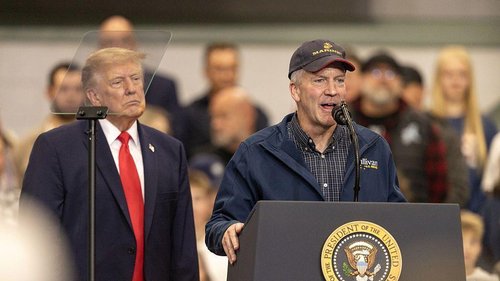
In small communities across America, the sound of Bitcoin mining is transforming the local landscape in ways that many residents never anticipated. In Dresden, New York, a humble village situated near Seneca Lake, the echoes of machinery from the nearby Greenidge Generation power plant have become a controversial soundtrack of daily life. This site, which had remained dormant for years, is now generating consistent low-frequency hums that residents describe as intrusive and unsettling."It's definitely not the ambiance I was hoping for by the lake," laments Ellen Campbell, who resides nearby. Her comments reflect a growing unease among locals who feel that their peaceful surroundings are being compromised by the demands of cryptocurrency production.At the helm of this economic development push is former President Donald Trump, whose administration has been vocal in its ambition to turn the United States into the world’s leading hub for cryptocurrency mining. Trump was explicit in his endorsement, stating intentions to enhance Bitcoin production domestically with plans initiated around mid-2024. This narrative, however, is clashing with the interests of rural constituents who were instrumental in his election, revealing cracks in support for his policies.The advent of Bitcoin mining facilities, such as the one at Greenidge, is not an isolated case. The U.S. has seen a marked increase in mining operations, with the government estimating that Bitcoin mining consumes as much as 2.3% of the national grid. Residents are grappling not just with the noise – which they liken to the roar of a jet engine or a relentless toothache – but also with mounting environmental concerns.In addition to Dresden, locations like Niagara Falls and Granbury, Texas—long regarded as Trump strongholds—are experiencing similar pushback against Bitcoin operations. Local governments have begun implementing moratoriums or strict regulations in response to overwhelming community discontent over noise pollution and environmental degradation.The narrative surrounding Trump’s allegiance to the crypto industry is evolving, especially considering his previously skeptical stance toward Bitcoin. In recent years, he has initiated a family-owned crypto venture, signaling a complete about-face from his earlier viewpoint. This evolution underscores a broader trend of Bitcoin mining's rapid expansion in the U.S., driven by international crackdowns on the industry, particularly in China.Tensions are rising in regions like the Finger Lakes, where opposition to Bitcoin mining is surfacing among typically Republican voters. Activists like Abi Buddington are championing the fight against disruptive mines, illustrating how even constituents who once supported Trump are realizing the adverse impacts of crypto development on their communities. Going forward, this opposition to crypto enterprises presents a significant challenge for policymakers who aim to champion an industry fraught with social and environmental ramifications. Climate concerns and public opinion may hinder future developments, potentially reshaping the future of Bitcoin mining in the U.S. With legal battles on the horizon and potential relocations of mining operations due to backlash, it remains to be seen whether Trump’s ambitions in the crypto sector can persist amid these local struggles for peace and sustainability.