In brief
The olive harvest, crucial to the Palestinian economy and cultural identity, is severely threatened this year as rising violence from Israeli settlers and military actions disrupt traditional harvesting activities, leaving many families struggling to maintain their livelihood.
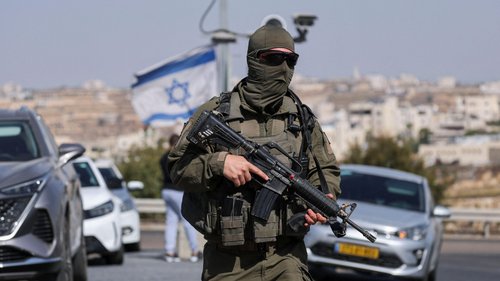
Palestinian olive pickers are facing unprecedented challenges during this year's harvest due to escalating violence and military restrictions. A recent incident highlighted this grim reality when 59-year-old Hanan Abu Salameh was shot dead by an Israeli soldier while gathering olives on her family's land near Faqqua in the West Bank. Despite having communicated their intent to harvest with the Israel Defense Forces (IDF), the soldier opened fire, leaving Hanan’s family grief-stricken and questioning whether there would be any accountability for the soldier's actions.This incident underscores the increasingly dangerous environment for Palestinian farmers. According to the UN, farmers across the West Bank face systematic violence, including organized attacks from Israeli settlers aiming to disrupt olive picking and armed confrontations that prevent access to their lands. Last year, many farmers were unable to harvest any olives due to such violence. Omar Tanatara, a farmer from Umm Safa, recounted how the army destroyed his harvest and forced families to abandon their land.Even with the support of international activists, safety during the harvest is not guaranteed. Peace activist Zuraya Hadad suffered serious injuries while assisting Palestinian farmers, only to see her attacker go unpunished. As a result, many olives remain unpicked, representing lost income for families reliant on the harvest for their livelihoods.The olive tree holds deep cultural and economic significance for Palestinians. In a favorable year, olives can earn over $70 million for the economy; however, ongoing violence has drastically reduced this income. Factory owner Abd al-Rahman Khalifa described the difficulties faced by farmers, including severe physical assaults meant to deter olive picking.The situation has been exacerbated as extremist settlers, emboldened by far-right Israeli government figures, increasingly assert their dominance over Palestinian land. In recent months, illegal settler outposts have become hubs of violence and intimidation against local farmers. As Palestinians wait anxiously to process the olives they gather into oil, the ongoing conflict over land ownership continues to threaten their way of life. The olive tree, a symbol of resilience and heritage, now faces existential threats in the face of rising violence, leaving families worrying about their future while the land remains a focal point of the Israeli-Palestinian conflict.